

Guide
When your AC kicks on and something smells off, it can be more than just annoying. Strange smells coming from an AC system in your New Brunswick home can point to issues hidden deep within the unit. These odors are signs that something needs attention before it turns into a more serious problem.
Maybe it’s a musty smell that reminds you of damp clothes, or perhaps a sharp chemical scent hits your nose when you walk by the vents. Whether it’s a one-time whiff or something that lingers every time the system runs, it’s not something to overlook. Each type of odor signals a possible problem with your system, and catching it early can save time, money, and discomfort later on.
Common Strange AC Smells and Their Meanings
Recognizing what different AC odors mean can help you decide when to bring in our technicians for inspection. Here’s a breakdown of common smells and what they often signal.
1. Musty or Moldy Smell
If you notice a smell like damp basement air or dirty laundry, your AC might have mold or mildew buildup. This often happens when excess moisture collects inside the system. Over time, moisture leads to mold growing in the drain lines, drip pan, or vents. If not corrected, mold spores can spread through the air every time the unit runs. This may trigger allergies or sinus issues, especially during humid months.
What to do: This requires a thorough cleaning and an inspection for drainage problems. Our professionals can make sure moisture isn't collecting where it shouldn't.
2. Burning Smell
A burning odor when the AC runs might point to electrical trouble. This can be caused by loose wires, overheating components, or a motor pushing too hard. Sometimes, it occurs when the unit starts for the first time after winter and smells like burnt dust. But if the smell lasts more than a few minutes, something could be malfunctioning.
What to do: Shut off the system and do not turn it back on. Electrical issues can be a safety hazard and should be checked by our trained professionals immediately.
3. Rotten Egg Smell
A rotten egg or sulfur smell is a potential sign of a natural gas leak. Rarely, AC units that share parts with heating systems may develop leaks. Gas is extremely dangerous to inhale and also poses a fire risk.
What to do: Leave the house, avoid touching switches or electronics, and contact emergency services. After that, call our team so we can inspect and confirm the system is safe to use again.
4. Chemical Smell
If there’s a sharp, sweet, or chemical odor, it might be refrigerant leaking from your AC. These chemicals are not safe to breathe and can affect indoor air quality quickly. Refrigerant leaks also make it harder for your system to cool your home, adding stress to the compressor and other parts.
What to do: Turn off the AC and arrange for one of our technicians to check for a leak. Catching refrigerant issues early can prevent expensive damage and maintain cooling performance.
Identifying strange smells early can help stop problems from spreading and keep your AC running safely in your New Brunswick home. When in doubt, always call a professional.
Prevention and Maintenance Tips
The most effective way to stay ahead of AC smells is to maintain your system regularly. Ongoing upkeep not only prevents odd odors but also supports airflow and extends your unit's lifespan. Many homeowners in New Brunswick schedule regular inspections before summer starts so their systems run without delay during warmer months.
Use these steps to help keep your system in good shape:
- Change air filters every 30 to 90 days, depending on the filter type and system use
- Clear debris around both indoor and outdoor units to keep air flowing
- Check that the condensation drain line is not clogged
- Keep vents and returns clean and free from dust or visible mildew
- Look for pooled water or stains around your indoor AC unit
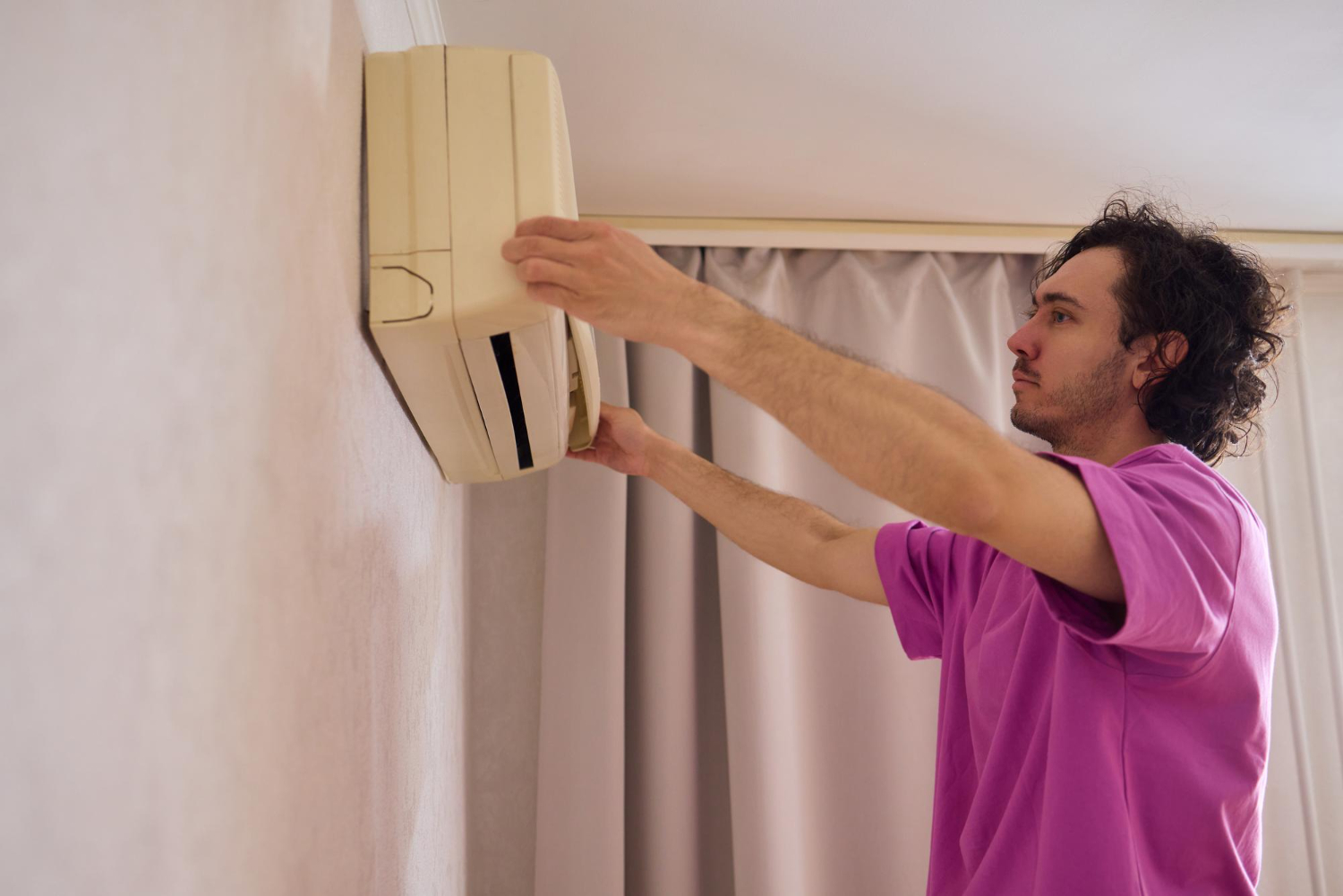
Annual servicing is another great way to catch hidden problems. Our technicians can inspect inside the unit, clean hard-to-reach areas, and make sure everything is working correctly. Dirty evaporator coils are one of the biggest causes of weak airflow and unwanted smells. Keeping them clean reduces the chance of buildup and bad odors.
Why Immediate Attention to AC Smells Matters
AC smells rarely fix themselves. If there is an underlying issue, it often gets worse with time. Waiting too long may mean bigger repair costs and more discomfort during warm weather. Some problems, like mold or motor failures, can also affect your health and safety.
An example we often see is when a homeowner thinks a burnt smell is normal after a long winter. Within days, the unit may stop working because of an electrical fault that went unchecked. What could have been a small repair now becomes a costly fix and ends with hot days without air conditioning.
Acting quickly ensures smaller repairs and avoids shutting the system down entirely. Whether it’s a burning wire, mold in the ducts, or a refrigerant leak, strange odors point to something that needs repairs.
Keeping Your Home's Air Quality Safe
Your AC system does more than cool your rooms. It plays a big part in how clean and fresh the air feels inside. When it’s working properly, the AC filters out dust, removes moisture, and pushes air evenly throughout the home. When something goes wrong, you might notice stale odors, poor airflow, or even increased allergy symptoms.
Humidity levels in New Brunswick make it more likely for mold or mildew to form inside ductwork or drain lines. When this happens, musty smells enter the air every time the AC runs. Weekly or seasonal checks help make sure your system is not holding excess moisture or developing hidden molds.
Better airflow also limits odor buildup. Dirty filters, blocked vents, or old parts make it harder for the system to circulate air. That leads to slow cooling and stagnant smells. Get everything checked before those signs affect your home’s comfort and indoor air quality.
Ensuring Comfort with Reliable AC Service
If you notice unusual smells every time your AC starts up, it is time to take action. Ignoring the problem only increases chances of system wear and indoor air concerns. Whether it’s mold, damaged electrical parts, or something more serious, early signs like unpleasant odors are your system’s way of telling you it needs help.
Staying cool during New Brunswick’s summer heat isn’t possible if your AC is already under stress. UniProAir is proud to offer trusted residential HVAC services with a focus on long-term efficiency and safety. Our technicians have the experience to find the source fast and resolve it so you can enjoy cleaner, more comfortable air in every room.
Protect your investment by being alert to strange smells. AC issues often start small, but with the right help, they stay that way. Let UniProAir handle inspections, repairs, and routine maintenance that make staying safe and cool easier all summer long.
If you are facing strange smells and potential AC issues in your New Brunswick home, UniProAir is ready to help you get your system back on track. Our professionals have the expertise to inspect your unit and address any hidden problems, ensuring your home remains comfortable and safe throughout the season. Learn more about AC service in New Brunswick to keep your cooling system running efficiently. For a quick estimate or to book a service visit, please contact us today.

Related Blogs