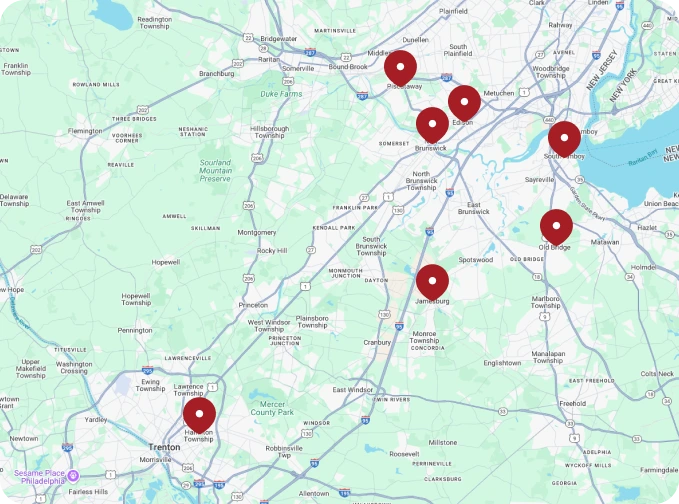


Choosing reliable heat pump service in Edison, NJ means protecting comfort, lowering utility bills, and preventing costly midseason failures. Edison homes face hot, humid summers and cold winters that place two-season demand on heat pumps. Regular inspections, precise diagnostics, and seasonal tune-ups keep systems running efficiently through humidity, pollen, salt air exposure, and occasional freezing temperatures common to Middlesex County.
.jpg)
Heat Pump Service In Edison, NJ
Homeowners in Edison typically call for services related to these common problems:
- Insufficient heating or cooling: Often caused by low refrigerant, clogged filters, or airflow restrictions.
- Short cycling: Rapid on/off cycles that reduce efficiency and stress components, usually from improper refrigerant charge, thermostat problems, or oversized equipment.
- Icing or defrost failures: Cold snaps can trigger persistent ice buildup when defrost controls or sensors fail.
- Unusual noises: Grinding, rattling, or buzzing can indicate failing motors, loose fan blades, or worn bearings.
- Higher-than-normal energy bills: Gradual performance decline from dirty coils, poor refrigerant charge, or failing components.
- Frequent compressor starts without run: Electrical issues, stuck contactors, or failing capacitors are typical causes.
- Condensate drainage problems: Clogs can cause water damage or safety switches that shut the system down.
- Refrigerant leaks: Corrosion or physical damage to lines reduces capacity and efficiency.
Typical Heat Pump Service Offerings
Professional heat pump service generally includes a full range of preventive and corrective tasks:
- Comprehensive inspections: Visual checks of indoor and outdoor units, refrigerant lines, electrical connections, and controls.
- Routine maintenance: Filter replacement, coil cleaning, lubrication of moving parts, and condensate line clearing.
- Repairs: Component replacement (compressor, reversing valve, fans, capacitors, contactors), leak repair, and electrical fixes.
- Performance tuning: Refrigerant charge optimization, thermostat calibration, airflow balancing, and duct sealing recommendations.
- Seasonal startup and shutdown: Preparing the system for summer cooling and winter heating modes, including defrost system checks.
- Diagnostics: Pressure and temperature measurements, electrical testing, and electronic system fault code analysis.
- Service plans: Scheduled visits, priority response, and routine diagnostics to reduce emergency breakdowns.
What a Diagnostic Visit Looks Like
A standardized diagnostic process ensures reliable findings and tailored solutions:
- Initial symptom assessment: Technician documents the problem, last known events, and system history.
- Visual inspection: Check for debris, corrosion, ice, damaged lines, or leaks on the outdoor unit and indoor components.
- Airflow evaluation: Inspect filters, returns, and ductwork for obstructions; measure static pressure if needed.
- Electrical testing: Inspect contactors, capacitors, motors, breakers, and wiring for proper voltage and current draw.
- Refrigerant and pressure checks: Measure system pressures and temperatures to verify correct charge and performance under load.
- Control and sensor verification: Test thermostat calibration, reversing valve operation, defrost cycle, and safety switches.
- Report and recommendation: Clear explanation of findings, repair options, and efficiency improvements.
Typical diagnostic visits take about 60 to 90 minutes depending on system complexity.
Repairs and Performance Tuning Explained
When repairs are needed, common solutions include:
- Refrigerant leak detection and repair: Locate and repair leaks, then recover, vacuum, and recharge refrigerant to specification.
- Compressor repair or replacement: Replace failing compressors or install hard-start kits for motors struggling to start.
- Electrical component replacement: Swap capacitors, contactors, relays, and fan or blower motors to restore reliable operation.
- Reversing valve and defrost control fixes: Restore proper heating/cooling swapping and effective defrost cycles.
- Airflow optimization: Clean coils, replace filters, and recommend duct improvements or supply/return balancing to restore capacity.
- Thermostat and control upgrades: Replace inconsistent thermostats or upgrade to programmable/learning controls for better performance.
Performance tuning reduces run time, lowers energy costs, and extends the life of major components.
Seasonal Startup and Shutdown Procedures
Proper seasonal service prevents surprises when temperatures swing:
- Spring (cooling startup):
- Inspect outdoor coil and fan; remove debris and vegetation.
- Check refrigerant pressure and system charge.
- Verify thermostat cooling operation and calibrate as needed.
- Clean indoor coil and replace filter.
- Fall/Winter (heating startup):
- Test reversing valve and defrost cycle.
- Inspect electrical heating elements or backup heat strips if present.
- Confirm adequate airflow and check for ice buildup.
- Ensure condensate drains are clear before cooler, wetter weather.
- Shutdown best practices:
- For extended inactivity, disconnect power and cover units if recommended by manufacturer, while ensuring proper airflow and moisture prevention.
Recommended Service Intervals and Homeowner Checklist
To maintain efficiency and reliability in Edison homes:
- Professional tune-up twice a year: Spring and fall maintenance to cover cooling and heating modes.
- Filter checks every 1 to 3 months: Replace or clean filters sooner in homes with pets or high pollen.
- Visual outdoor checks monthly: Remove leaves, grass clippings, and salt deposits from the outdoor cabinet.
- Duct and vent inspection annually: Look for leaks, disconnected ducts, or insulation gaps.
- Immediate attention for unusual noises or smells: Address electrical smells, burning odors, or loud grinding without delay.
Service Plans and Long-Term Benefits
Service plans typically bundle preventive maintenance visits, priority scheduling, and repair discounts. Key benefits for Edison homeowners include:
- Reduced emergency repairs through early detection.
- Lower energy bills from optimized performance.
- Extended equipment life by reducing component stress.
- Faster recovery after failures via priority response.
- Documentation for resale showing regular professional care.
Scheduling Routine or Emergency Visits: What to Expect
Routine maintenance appointments are usually scheduled during shoulder seasons to ensure readiness for peak demand. Emergency service visits are focused on rapid diagnosis and temporary stabilization if immediate parts replacement is required. To prepare for any visit:
- Have the system model and age available if known.
- Note any error codes displayed on thermostats or control panels.
- Describe recent symptoms and when they started.
- Clear area around indoor and outdoor units to give technicians access.
ConclusionRegular, expert heat pump service in Edison, NJ protects comfort through humid summers and cold winters while keeping energy costs in check. Biannual inspections, targeted diagnostics, and timely repairs prevent most unplanned breakdowns and preserve system efficiency. For homeowners seeking reliable performance and long-term savings, a consistent maintenance rhythm combined with prompt attention to symptoms is the most effective strategy.