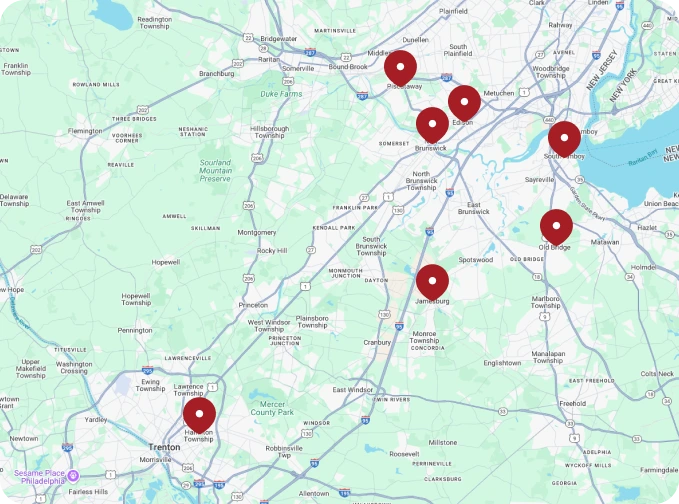


Comprehensive guidance on maintaining heat pumps in New Brunswick, NJ, detailing why regular tune-ups matter for humidity, winter salt exposure, and energy costs. The page outlines a full tune-up checklist, including filters, coils, refrigerant checks, electrical, thermostat calibration, blower performance, and duct seals, plus diagnostic steps, potential fixes, and the typical 60–90 minute visit. It also covers recommended frequency (annual or dual seasonal service), ongoing benefits, common issues found, and tips to track system health and warranty requirements. Regular maintenance helps homeowners reduce emergency repairs and keep heat pumps performing through New Brunswick's seasonal extremes.
.jpg)
Heat Pump Tune Up In New Brunswick, NJ
A professional heat pump tune up keeps your system running efficiently, prevents unexpected breakdowns, and reduces energy costs. In New Brunswick, NJ where humid summers and cold winters place year-round demands on heat pumps, routine tune ups are an essential part of home comfort and system longevity. This page explains what a full heat pump tune up covers, common problems technicians find in New Brunswick homes, the diagnostic steps and adjustments performed, expected duration, and how often you should schedule service.
Why a heat pump tune up matters in New Brunswick, NJ
New Brunswick experiences high humidity and warm summers as well as freezing winter nights. Those seasonal swings mean heat pumps operate hard for cooling and heating. Local factors that make tune ups especially important here:
- Humidity and airborne debris can clog filters and coils, reducing airflow and efficiency.
- Winter freezing and frequent road salt exposure can accelerate corrosion on outdoor components.
- Rising energy costs in the region make efficiency improvements more meaningful for monthly bills.
- Proper maintenance reduces the risk of mid-season failures when repairs are harder to schedule.
A thorough tune up restores performance, improves comfort, and helps avoid costly emergency repairs during heat waves or the coldest nights.
What a comprehensive heat pump tune up includes
A full tune up inspects and services every critical area of your heat pump system. Typical checklist items include:
- Replace or clean air filters and check filter fit and condition.
- Inspect and clean indoor and outdoor coils for dirt, debris, and corrosion.
- Check refrigerant charge and test for leaks if pressures are out of range.
- Verify electrical connections, contactors, capacitors, and safety controls.
- Test thermostat accuracy and control settings; recalibrate if needed.
- Measure airflow and blower performance; adjust blower speed or belts.
- Inspect reversing valve and check defrost cycle operation (for cold-weather performance).
- Examine condensate drain and pan for clogs or standing water; clear drains.
- Lubricate moving parts where applicable.
- Check system operating pressures, temperatures, and cycle timing.
- Inspect ductwork access, seals, and return/exhaust registers for blockages or leakage.
- Document findings and recommend repairs or parts replacements when necessary.
Diagnostic steps and simple adjustments explained
Technicians combine visual checks with measurements to find issues and optimize performance:
- Filters and airflow: Reduced airflow is often the first sign of a problem. Technicians check filters and measure return/supply air temperatures to confirm proper airflow. Replacing filters and sealing registers restores comfort quickly.
- Coils and heat transfer: Dirty indoor or outdoor coils prevent heat exchange. A coil cleaning returns lost efficiency and reduces run times.
- Refrigerant and pressures: Low refrigerant causes poor heating or cooling. Technicians measure pressures and temperatures to determine if the system is charged correctly. If pressures are low, they check for leaks rather than simply adding refrigerant.
- Electrical health: Loose connections and weak capacitors are common failure points. Tightening terminals, testing capacitors, and confirming voltage amps prevent intermittent faults and premature component failure.
- Thermostat and controls: A miscalibrated thermostat can lead to short cycling or uncomfortable temperature swings. Calibration and mode checks ensure the system responds correctly.
- Safety and performance tests: Technicians test safety switches, reversing valve operation, and defrost cycles to make sure the system operates reliably in cold weather.
Benefits of regular tune ups
Routine tune ups deliver tangible benefits for New Brunswick homeowners:
- Improved energy efficiency and lower operating costs during extreme weather.
- More consistent indoor comfort with steady temperatures and humidity control.
- Reduced risk of mid-season breakdowns and expensive emergency repairs.
- Extended system life and better long-term reliability.
- Safer operation through inspection of electrical and safety components.
- Documentation that may be required to maintain manufacturer warranties.
Typical duration and what to expect during the visit
A standard heat pump tune up usually takes about 60 to 90 minutes for a single residential system, depending on system age, accessibility, and the amount of cleaning required. During the visit you can expect:
- A technician to perform the checklist items and run diagnostic tests.
- Brief explanation of any issues found and necessary repairs or recommended next steps.
- A written report or checklist of services performed and measurements recorded.
- If repairs are needed beyond the tune up, the technician will outline options and explain the expected benefits.
Technicians work to minimize disruption and leave the work area clean. If replacement parts are required, they will note those items for future scheduling.
Recommended tune-up frequency
For most New Brunswick homes a heat pump should be serviced at least once per year. Best practice for peak efficiency and reliability is:
- Two seasonal tune ups per year - one in fall before the heating season and one in spring before the cooling season.
- Annual inspections are acceptable for milder climates or secondary systems, but dual seasonal service is recommended for homes where the heat pump is the primary heating and cooling source.
Frequent service is especially important for older systems, homes near busy roads (salt and debris), or properties with pets and high indoor particulates.
Common issues found during New Brunswick tune ups and simple fixes
- Dirty filters and clogged coils - fixed by replacing filters and cleaning coils.
- Reduced airflow from blocked registers or duct leaks - addressed by cleaning and sealing.
- Low refrigerant due to leaks - requires leak detection and targeted repair before recharge.
- Short cycling caused by thermostat or control faults - corrected by recalibration or component replacement.
- Corrosion or damage to outdoor unit exposed to winter salt - recommend corrosion treatment and protective measures.
Final notes on proactive maintenance
A heat pump tune up is an investment in comfort, reliability, and energy savings. In New Brunswick’s humid summers and cold winters, preventive maintenance prevents small problems from becoming major failures. Regular documentation of tune ups also helps track system health and supports warranty requirements. Schedule seasonal inspections and keep a record of services and measurements to maximize performance and lifespan.
By following a consistent tune-up schedule and addressing issues found during inspections, homeowners in New Brunswick can expect steadier indoor comfort, improved efficiency, and fewer unplanned repairs.