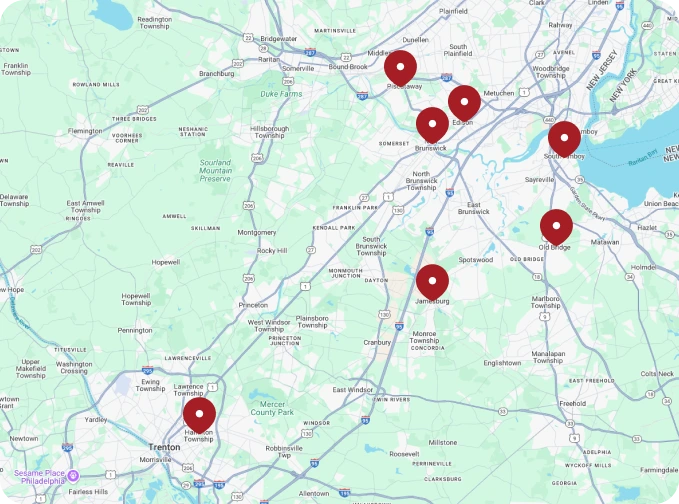


A professional heat pump tune up in Old Bridge, NJ keeps your system running efficiently through humid summers and freezing winter snaps. Regular tune ups reduce the risk of mid-season breakdowns, restore heating and cooling performance, and help extend equipment life—important in a climate where a single system often handles both winter heating and summer cooling. This page explains what a comprehensive tune up includes, common issues found in Old Bridge homes, the diagnostic process, typical checklist items, expected duration, and recommended frequency.
.jpg)
Heat Pump Tune Up in Old Bridge, NJ
Old Bridge experiences hot, humid summers and occasional cold winters. That year-round demand places steady stress on heat pumps. Humidity, pollen, and road and yard debris can foul coils and filters, while temperature swings make defrost cycles and refrigerant charge critical for reliable performance. A tune up optimizes performance, improves comfort, and reduces the odds of an expensive failure during peak weather.
Common heat pump tune up issues in Old Bridge, NJ
- Dirty or clogged filters restricting airflow and forcing the compressor to work harder
- Fouled coils (condenser or evaporator) reducing heat transfer and efficiency
- Low or imbalanced refrigerant charge from leaks or improper factory charge
- Loose or corroded electrical connections creating intermittent operation or component failure
- Worn capacitors, contactors, or motors causing starting issues or abnormal noise
- Malfunctioning thermostats or poor calibration leading to temperature swings
- Blocked condensate drains and pans causing water damage or system shutdown
- Reversing valve or defrost cycle faults causing poor heating performance in cold weather
What technicians inspect and adjust
A complete heat pump tune up covers mechanical, electrical, and control systems. Typical technician tasks include:
- Filter inspection and replacement or cleaning
- Check filter type and condition; replace or clean to restore airflow and indoor air quality.
- Outdoor condenser and indoor evaporator coil cleaning
- Remove dirt, pollen, grass, and debris that reduce heat transfer.
- Refrigerant check and leak detection
- Measure system pressures and temperatures to verify proper refrigerant charge; perform leak checks and recommend repairs if leaks are found.
- Electrical system inspection
- Tighten connections, test capacitors and contactors, check breakers and fuses, and test safety switches and controls.
- Blower and fan motor service
- Inspect motor bearings, belts, and speeds; clean blower wheel; lubricate where applicable to maintain proper airflow.
- Thermostat calibration and controls check
- Verify setpoints, run cycle testing, and confirm accurate communication between thermostat and outdoor unit.
- Defrost cycle and reversing valve verification
- Test heating-mode operation and defrost function to ensure efficient cold-weather performance.
- Drain line and condensate pan cleaning
- Clear clogs and sanitize pans to prevent overflow and mold growth.
- System performance testing
- Measure temperature split, amperage draw, and overall system efficiency to identify underperformance.
- Visual inspection for corrosion, physical damage, and proper airflow clearance
- Confirm outdoor unit has recommended clearance, inspect fins for damage, and check refrigerant line insulation.
Typical tune up process
- Pre-inspection: technician reviews past service history and asks about current symptoms.
- Safety disconnect and power checks: ensure safe working conditions.
- Filter and airflow evaluation: clean or replace filters and check ductwork if needed.
- Coil cleaning: clean outdoor and indoor coils to restore heat exchange capacity.
- Electrical and component testing: test capacitors, motors, and controls for wear.
- Refrigerant and pressure checks: assess charge and run leak detection if abnormal.
- Functional testing: run heating and cooling cycles, verify thermostat calibration and defrost operation.
- Final report: technician documents findings, adjustments made, and recommendations for repairs or parts replacement if needed.
Typical duration and pricing note
A standard heat pump tune up for a single residential system in an average Old Bridge home generally takes between 60 and 90 minutes. Larger homes, multi-zone systems, or units that require extensive cleaning or diagnostic work may take longer. Costs vary based on system size, age, and condition, as well as whether additional repairs or parts are required. Because pricing depends on those variables, homeowners commonly receive a clear service summary and estimate after the technician completes the inspection portion of the visit.
Benefits of timely tune ups
- Improved energy efficiency: Clean coils, correct refrigerant charge, and proper airflow lower energy use.
- Greater reliability: Early detection of worn parts prevents unexpected breakdowns during extreme weather.
- Longer equipment life: Routine maintenance reduces stress on compressors and motors.
- Consistent comfort: Accurate thermostat calibration and restored airflow deliver steady temperatures and humidity control.
- Safer operation: Electrical checks reduce fire risk; drain cleaning prevents water damage and mold growth.
- Warranty compliance: Manufacturers often require regular maintenance to keep warranties valid.
Recommended tune up frequency and homeowner tips
- Schedule a full tune up at least once annually, timed for the season you depend on most. In Old Bridge, that typically means:
- Spring inspection for cooling readiness after winter use
- Fall inspection for heating readiness before sustained cold weather
- Homes with heavy year-round usage, pets, or high pollen and dust levels should consider twice-yearly tune ups.
- Replace or inspect filters monthly during heavy use seasons and at least every 90 days for lower-use homes.
- Keep at least 2 feet of clearance around the outdoor unit and periodically clear leaves, grass, and debris.
- Ensure refrigerant lines are insulated and that attic and basement ductwork are sealed and insulated where practical.
- Monitor energy bills and indoor comfort—unexplained spikes or uneven temperatures often signal a need for service.
Conclusion
A professional heat pump tune up in Old Bridge, NJ is an investment in year-round comfort, efficiency, and equipment longevity. Proper maintenance addresses common regional challenges like humidity, pollen, and seasonal temperature swings, while helping avoid mid-season failures. Regular inspections, cleaning, and targeted adjustments keep your heat pump operating safely and efficiently so your home stays comfortable throughout the year.