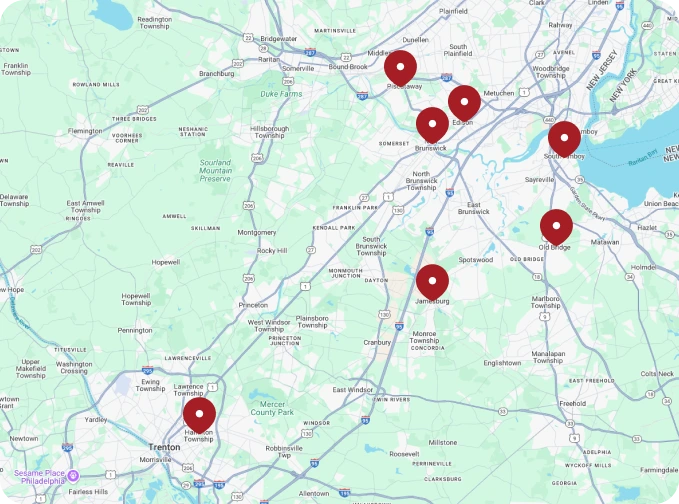


Furnace repair services in Piscataway, NJ provide fast diagnostics, safe operation, and reliable fixes for aging gas furnaces and mixed HVAC systems. A professional technician will assess symptoms, inspect burners, ignition, heat exchangers, and airflow, then outline root causes and recommended repairs or replacements. Emergency options, clear estimates, and transparent warranties accompany every visit. Expect same-day diagnostics when possible, safety-first protocols, and guidance on maintenance to prevent future breakdowns and keep your home warm through New Jersey winters.
.jpg)
Furnace Repair In Piscataway, NJ
When your furnace fails in Piscataway, NJ, you need fast, reliable diagnostics and repairs that restore comfort and safety. Winters in central New Jersey can be cold and damp, and older homes in the area often have aging gas furnaces or mixed HVAC systems that demand prompt attention. This page explains common furnace symptoms in Piscataway homes, how a professional diagnostic and repair process works, emergency response options, parts and labor expectations, typical timelines, warranty coverage, and what to expect when arranging service.
Common furnace problems in Piscataway, NJ
Understanding symptoms helps you describe the issue accurately and speeds up diagnosis.
- No heat or intermittent heating: Furnace runs but no warm air, or heat cycles unpredictably. Common in aging burners, failed thermostats, or airflow problems.
- Strange noises: Rattling, banging, whining, or squealing can indicate loose panels, failing blower motors, cracked heat exchangers, or ignition issues.
- Ignition or pilot problems: Standing pilot out, repeated cycling of ignition, or persistent pilot light failure often point to faulty ignitors, gas valves, or control modules.
- Frequent cycling or short-cycling: Unit turns on and off too quickly, often caused by clogged filters, blocked vents, or oversized equipment.
- Uneven heating or weak airflow: Could be duct leaks, failed blower motor, or clogged evaporator coils and filters.
- Odors or safety concerns: Persistent burning smells, gas odors, or carbon monoxide alarms require immediate attention.
These issues are common furnace repair issues in Piscataway, NJ, where humidity and seasonal temperature swings can accelerate wear on electrical components and corrosion on metal parts.
Diagnostic process: what a professional technician will do
A systematic diagnostic saves time and reduces unnecessary repairs.
- Initial intake and symptom review: Technician documents what you observed, thermostat settings, and any error codes.
- Visual inspection: Check burners, pilot/ignition assembly, blower motor, belts, limit switches, control board, and visible ductwork.
- Safety checks: Test for proper venting, check for carbon monoxide or gas leaks, and inspect heat exchanger condition if needed.
- Electrical tests: Measure voltages, check capacitors, relays, and control board signals.
- Airflow and combustion analysis: Verify blower performance, inspect filters, and evaluate combustion efficiency when appropriate.
A clear diagnostic report will outline the root cause, recommended repairs, and whether replacement of major components is advisable.
Typical furnace repairs and solutions
Repair options vary by symptom and diagnosis. Common fixes include:
- Thermostat repair or recalibration: Resolves incorrect set points or communication failures.
- Ignitor or pilot assembly replacement: Fixes ignition failures and improves reliability.
- Gas valve or control module replacement: Addresses persistent startup or shutdown faults.
- Blower motor repair or replacement: Restores airflow and corrects noisy operation.
- Belt and pulley service: Eliminates squealing and ensures correct blower speed.
- Cleaning and tune-up: Removing soot and debris, replacing filters, and adjusting burners improves efficiency and longevity.
- Heat exchanger repairs or recommendations: Cracked heat exchangers are a safety issue; often require replacement or further evaluation.
Each repair is performed to meet safety standards used across New Jersey and to restore efficient operation.
Emergency furnace repair options in Piscataway, NJ
Cold snaps and equipment failures can require rapid response. Typical emergency services include:
- After-hours dispatch: Technicians available outside regular business hours for priority calls.
- Same-day diagnostics: Fast onsite assessment to determine if a temporary fix or full repair is needed.
- Safety-first protocols: If carbon monoxide or gas leak is suspected, immediate isolation and ventilation occur before any repairs.
Local weather patterns and peak winter demand mean response time is important. Be prepared to describe symptoms, the age and model of your furnace, and any recent maintenance history when requesting emergency service.
Parts, labor policies, and repair approach
Understanding common policies helps set expectations before work begins.
- Parts sourcing: Technicians commonly use OEM parts when available for longer life and compatibility; high-quality aftermarket parts may be used when equivalent and safe.
- Labor models: Providers typically operate on either flat-rate repair pricing for specific tasks or time-and-materials billing for complex jobs. A clear estimate should be provided before work starts.
- Replacement recommendations: If a repair is not cost-effective or safe, technicians will explain replacement benefits and trade-offs.
- Safety compliance: All repairs follow local codes and safety standards for gas and electrical systems in New Jersey.
Documentation of parts and labor performed should be provided after service for transparency and future maintenance reference.
Estimated timelines and cost factors
Time-to-repair depends on diagnosis and part availability.
- Typical diagnostic visit: 30 minutes to 1.5 hours for systems without complex access issues.
- Common repairs: Many ignition, blower, or control board repairs are completed same day if parts are on hand; more involved jobs like heat exchanger work may take longer or require ordered parts.
- Emergency responses: Initial safety checks and temporary measures are often completed within the first visit, with full repairs scheduled as needed.
Cost is influenced by furnace age, part availability, complexity of access, and whether major components or replacement are required. Expect transparent estimates that explain why a particular repair path is recommended.
Warranty on repairs
Reliable providers stand behind their work with warranties that typically include:
- Parts warranty: Manufacturer or installer-backed coverage on replaced components for a specified period.
- Labor warranty: A time-limited guarantee covering workmanship on the repair.
- Combined coverage: Some repairs include both parts and labor protection for a defined timeframe.
Ask for written warranty details at the time of service so you know what is covered and any exclusions related to preexisting conditions or improper use.
What to expect during a service visit
A typical professional visit in Piscataway follows these steps:
- Arrival and safety check: Confirming carbon monoxide levels and safe operating conditions.
- Diagnostic testing: Visual, electrical, and combustion checks as needed.
- Explanation of findings: Clear, non-technical summary of issues and repair options.
- Repair execution: Technician completes agreed repairs, tests operation, and restores the area.
- Final verification: System is run through cycles, thermostat checked, and any safety devices tested.
- Documentation: Written summary of work performed and warranty information provided.
Maintenance and prevention
Prevention reduces emergency calls and extends furnace life.
- Annual tune-ups before winter: Cleaning, burner adjustments, filter replacement, and safety checks.
- Regular filter changes: Improves airflow and prevents short-cycling.
- Keep vents and returns clear: Ensures balanced airflow and efficient operation.
- Monitor carbon monoxide detectors: Essential for homes with gas furnaces.
Furnace repair in Piscataway, NJ is most effective when combined with proactive maintenance tailored to local conditions. Timely diagnostics and transparent repair policies help protect comfort, safety, and investment in your home heating system.