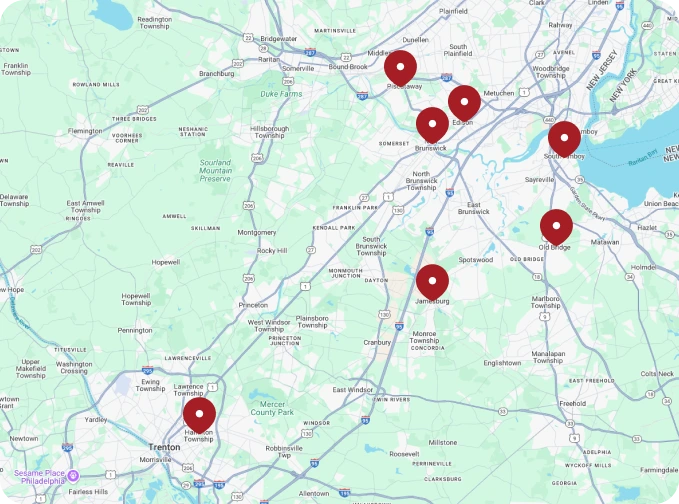


Heating maintenance in Hamilton, NJ is essential for dependable winter warmth, energy efficiency, and safety. This service guide explains what to expect during a professional tune-up, the recommended annual schedule, and the benefits of a maintenance membership, including priority service and discounted repairs. It covers common systems and issues, the technician's inspection steps, and typical outcomes such as steadier temperatures, quieter operation, and improved efficiency. Homeowners receive practical tips to keep their equipment running reliably between visits and plan for future service or replacements.
.jpg)
Heating Maintenance In Hamilton, NJ
Keeping your heating system well maintained is one of the most effective ways to ensure reliable, efficient warmth during Hamilton winters. Regular heating maintenance protects your home from unexpected breakdowns on the coldest days, lowers energy use, and helps extend the life of your furnace, boiler, or heat pump. This page explains what to expect during a professional heating maintenance visit in Hamilton, NJ, the recommended schedule, membership plan benefits, typical outcomes, and practical homeowner tips to keep your system running smoothly.
Why heating maintenance matters in Hamilton, NJ
Hamilton experiences cold winters with occasional subfreezing stretches and Nor’easter storms. Those conditions place heavy demand on heating systems. Many homes in Hamilton were built decades ago and still use older boilers, furnaces, or converted systems that need regular attention. Routine maintenance reduces the risk of midwinter failures, improves indoor comfort, and helps prevent safety hazards like carbon monoxide leaks and blocked vents.
Common heating systems and issues in Hamilton
Homeowners in Hamilton commonly have:
- Natural gas furnaces and boilers
- Oil-fired boilers and furnaces in older homes
- Electric furnaces and baseboard systems
- Heat pumps with supplemental heating
Common heating maintenance issues in Hamilton, NJ include:
- Dirty or clogged filters reducing airflow and efficiency
- Incomplete combustion or burner misalignment in gas and oil systems
- Worn blower motors, belts, and bearings causing noisy operation and failure risk
- Corroded heat exchangers or boiler components in older units
- Thermostat calibration or wiring problems leading to uneven temperature control
- Sediment buildup in hydronic systems or clogged condensate drains
What a technician inspects and adjusts during a heating maintenance visit
A professional heating tune-up in Hamilton, NJ typically includes a thorough inspection, cleaning, testing, and minor adjustments. Key tasks include:
- Visual inspection of the system cabinet, flue, vents, and accessible ductwork
- Replace or check air filter and recommend the correct MERV rating for your home
- Clean burners, pilot or ignition assemblies, and combustion chamber for gas and oil systems
- Test combustion and adjust fuel-air mixture if needed to optimize efficiency
- Inspect heat exchanger or boiler sections for cracks or corrosion and perform safety checks
- Lubricate motors, fans, and bearings where applicable; check blower wheel balance
- Tighten electrical connections and test safety controls and limit switches
- Inspect and test thermostat operation and calibrate settings for comfort and efficiency
- Check ductwork for obvious leaks or disconnected sections; clean accessible returns
- Flush or check condensate drains and traps; inspect pressure and expansion tanks for boilers
- Perform carbon monoxide testing near equipment and in the service area for safety assurance
Technicians will document findings and recommend repairs for items outside the scope of routine maintenance.
Recommended maintenance schedule for Hamilton homes
- Annual professional inspection and tune-up before heating season: essential for furnaces, boilers, and heat pumps with backup heat.
- Heat pump systems: professional check at least once a year and filter checks more frequently especially if reversing cycle in winter.
- Oil-fired systems: service at least once per year before winter; more frequent checks if burning poor quality fuel.
- Midseason check: consider a brief inspection or filter change midwinter during extended cold spells or if performance declines.
Proactive scheduling before the first cold snap reduces wait times for service during peak demand in Hamilton.
Membership plan benefits for heating maintenance
A maintenance membership is designed for homeowners who want predictable care and priority attention. Typical membership plan features include:
- Priority service scheduling during high-demand periods in winter
- Discounted labor rates or parts pricing for repairs performed while on the plan
- Annual or biannual complimentary tune-ups included in higher-tier plans
- Waived diagnostic fees or reduced service call charges for members
- Reminder-based scheduling so inspections are performed on the recommended timeline
- Documentation and service history to support warranty compliance and resale value
For Hamilton homeowners, membership plans can be particularly valuable because they reduce the chance of long delays during snowstorms and cold snaps when demand for HVAC technicians spikes.
Common maintenance outcomes you can expect
After a professional heating maintenance visit you should notice:
- More consistent indoor temperatures and fewer cold spots
- Quieter operation as motors and fans are cleaned and lubricated
- Improved fuel efficiency and lower heating bills from optimized combustion and airflow
- Reduced risk of breakdowns and unexpected emergency repairs
- Improved indoor air quality from clean filters and ducts
- Confirmation that safety systems and carbon monoxide protections are functioning properly
Routine maintenance also helps identify aging components so you can plan for repairs or replacement on your schedule rather than in an emergency.
Practical homeowner tips to keep your system running efficiently
- Replace or clean filters every 1 to 3 months during heavy use; a clean filter is the single most effective way to maintain efficiency.
- Keep vents and returns unobstructed by furniture, curtains, or storage to maintain proper airflow.
- Program thermostats for setback schedules to reduce run time while you are away or asleep without sacrificing comfort.
- Bleed radiators and check hydronic systems for trapped air that can reduce heat output.
- Maintain clear outdoor unit clearance for heat pumps and ensure flue and intake areas are free of debris or snow.
- Inspect attic and basement insulation and seal drafty windows and doors to reduce heating load.
- Know how to shut off gas and power to the heating system in an emergency and have working carbon monoxide detectors on each floor.
ConclusionHeating maintenance in Hamilton, NJ is a practical investment in comfort, safety, and long-term cost control. A thorough annual tune-up performed before the heating season, combined with routine filter changes and sensible home weatherization, minimizes the risk of failures during severe cold and keeps your system operating at peak efficiency. Membership plans add protection and convenience for homeowners who prefer predictable service and faster responses during critical winter periods. Routine attention today prevents costly disruptions tomorrow.