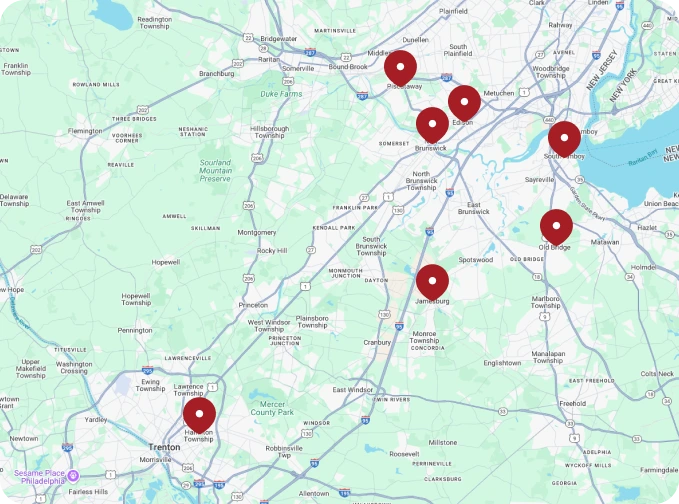


Upgrading your HVAC system in Old Bridge, NJ is one of the most effective ways to improve year-round comfort, reduce energy bills, and avoid costly emergency repairs. Homes in Old Bridge face hot, humid summers and cold winters with occasional nor'easters, so older systems that struggle to keep up can create uneven temperatures, high humidity, and rising utility costs. This page explains how HVAC replacement works in Old Bridge, how technicians evaluate aging systems, the options for energy-efficient replacements, what to expect during removal and installation, and how rebates, financing, and warranties influence long-term savings.
.jpg)
HVAC Replacement In Old Bridge, NJ
- Frequent repairs or rising repair costs for a system more than 10-15 years old
- Noticeable increase in energy bills during summer or winter
- Rooms that never reach a comfortable temperature
- Excessive humidity, dust, or uneven airflow
- Noisy operation, frequent cycling, or failing parts no longer available
Because Old Bridge experiences high humidity and seasonal extremes, air conditioners often work harder and outdoor units can face accelerated wear from seasonal moisture and occasional coastal air. Replacing an undersized or aged system with a properly sized, high-efficiency unit can deliver meaningful comfort and energy savings in this climate.
Common HVAC replacement types and issues in Old Bridge, NJ
- Central air conditioner replacement - typical for homes with existing ducted systems; upgrade to higher SEER to cut cooling costs.
- Furnace replacement - swap old mid-efficiency units for high-efficiency condensing furnaces (higher AFUE) to lower heating expenses.
- Heat pump replacement - modern heat pumps provide both efficient heating and cooling and perform well in moderate New Jersey winters.
- Ductless mini-split systems - ideal for additions, finished basements, or homes without practical ductwork.
- Full system changeout (air handler + outdoor condenser + thermostat) - recommended when paired components are mismatched or aged.
- Ductwork repair or replacement - leaky or poorly insulated ducts can negate benefits of a new system; common in older Old Bridge homes.
How technicians evaluate older systems
A thorough evaluation ensures the new system is sized and configured correctly for your home and local climate:
- Visual inspection of outdoor unit, indoor equipment, and ductwork condition
- Load calculation (Manual J) to determine correct system capacity based on home size, insulation, windows, and orientation
- Refrigerant and compressor performance checks (if applicable)
- Airflow measurements and static pressure testing to identify duct or blower issues
- Thermostat and control compatibility review
- Assessment of electrical panel capacity and venting requirements
This diagnostic phase identifies whether a straight replacement will suffice or if ductwork, electrical upgrades, or refrigerant line changes are required to meet efficiency goals.
Comparing makes and models
When recommending replacements, technicians compare systems using several key metrics:
- SEER/EER - Seasonal and instantaneous efficiency ratings for cooling; higher SEER typically yields lower summer energy bills.
- AFUE and HSPF - Efficiency measures for heating equipment and heat pumps.
- Compressor type - Variable-speed compressors provide more consistent comfort and better humidity control than single-stage units.
- Noise ratings - Important in dense Old Bridge neighborhoods where quieter outdoor/indoor units improve living conditions.
- Reliability and serviceability - Evaluate warranties, parts availability, and local service support.
- Energy Star and advanced features - Smart thermostats, zoning capability, and advanced filtration options.
Technicians will balance upfront cost, long-term operating costs, and reliability to recommend the best options for your specific home.
Removal and installation steps
A professional replacement follows a predictable, safe process:
- Preparation - Protect floors, establish access points, and schedule any required permits.
- Old equipment removal - Safely recover refrigerant per regulations, disconnect electrical and duct connections, and remove the outdoor and indoor units.
- Site preparation - Update pad, electrical connections, or venting; repair or replace ducts if needed.
- New equipment installation - Set condenser, install air handler or furnace, connect refrigerant lines, and make electrical and drainage connections.
- System charging and calibration - Charge refrigerant precisely, adjust gas or airflow, and program controls.
- Startup and testing - Measure temperatures, airflow, static pressure, and system efficiency to ensure expected performance.
- Owner orientation - Explain thermostat settings, maintenance needs, and warranty documentation.
A typical whole-system replacement for an average home in Old Bridge takes one to three days depending on complexity and any required duct or electrical work.
Rebates, financing, and warranties
- Rebates and incentives - Federal, state, and local utility programs often provide rebates or tax credits for high-efficiency HVAC installations. New Jersey and regional utilities periodically offer incentives for heat pumps and energy-efficient equipment; eligibility depends on equipment rating and installation details.
- Financing options - Many homeowners use financing to spread the cost of replacement while benefiting immediately from lower energy bills. Financing programs vary in terms and eligibility.
- Warranties - Typical warranties include manufacturer parts warranties and varying lengths of compressor warranties. Some installations include workmanship warranties from the installer. Keep warranty registration and maintenance records to preserve coverage.
Technicians can provide documentation and guidance on possible incentives and warranty registration as part of the replacement process.
Expected efficiency gains and cost savings
- Replacing a 10-15+ year old air conditioner with a modern high-SEER unit can reduce cooling energy use by 20 to 40 percent, depending on usage and duct efficiency.
- Upgrading an older gas furnace to a high-efficiency condensing model (AFUE 90+ to 95+) typically lowers heating costs by 10 to 30 percent.
- Switching to a modern heat pump can consolidate heating and cooling into one efficient system, especially beneficial when electricity rates and system sizing are favorable.
- Realized savings depend on local energy prices, insulation levels, thermostat settings, and homeowner behavior. Proper installation and sealed ducts maximize these gains.
Post-install care and maintenance tips
- Schedule biannual tune-ups - one for cooling and one for heating - to maintain efficiency and preserve warranties.
- Replace air filters regularly and use the correct MERV rating for your system and indoor air quality needs.
- Keep outdoor units clear of debris and provide seasonal clearance to ensure airflow.
- Consider programmable or smart thermostats to reduce runtime during away periods.
- If ducts were left in place, consider a duct inspection or cleaning to optimize airflow and indoor air quality.
Replacing an HVAC system in Old Bridge, NJ is an investment that improves comfort, humidity control, and energy efficiency while reducing the risk of mid-season failures. A careful evaluation, properly sized equipment, quality installation, and attention to local climate factors ensure the new system delivers reliable performance and measurable savings over its lifetime.
Customer Reviews
Discover why we’re a trusted choice for home services.

The HVAC contractor provided exceptional service, fixing my AC unit quickly and professionally. Now my home is cool and comfortable again.
Experiencing the recent heatwave, our family urgently needed AC repair. UniProAir quickly came to the rescue, providing efficient service and restoring our home's cool comfort.
When our office building needed a new HVAC system, we turned to UniProAir. Their knowledgeable team guided us through the process, and now our employees are thrilled with the improved air quality.
I highly recommend UniPro AC for all your HVAC needs. I got an appointment within 2 days for a pre-season heating startup. Austin was our technician and he was extremely informative, thorough, professional and so very courteous. 5 stars +
The technician from UniProAir who came to my home was incredibly knowledgeable and skilled. He quickly identified the issue with my HVAC system and efficiently fixed it, ensuring that everything was in proper working order before leaving. I highly recommend!