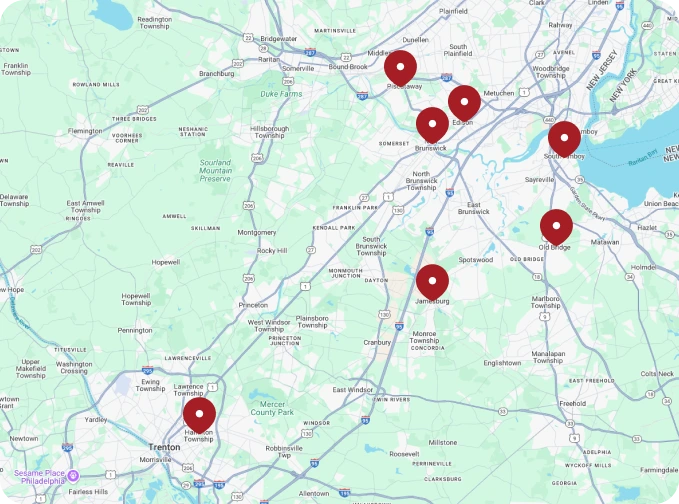


Piscataway HVAC service page outlines comprehensive offerings to keep homes comfortable year-round. It covers inspections and diagnostics to identify faults and root causes, routine seasonal tune-ups, and filter or component replacements to extend equipment life. It also details ductwork and IAQ improvements, maintenance plans, and transparent scheduling and pricing, with guidance on when to service, repair, or replace. A clear diagnostic process is described, along with practical maintenance tips like filter checks and outdoor unit upkeep to reduce outages and boost efficiency.
.jpg)
HVAC Service In Piscataway, NJ
Keeping your home comfortable year-round in Piscataway, NJ requires HVAC service that understands the local climate and common system stressors. With hot, humid summers and cold winters, Piscataway homes put extra demand on air conditioners, heat pumps, furnaces, and ventilation systems. This page explains the HVAC services you can expect locally—inspections, diagnostics, routine servicing, component and filter replacement, maintenance-plan enrollment, scheduling expectations, and clear guidance on when to call for service versus repair or replacement.
Why timely HVAC service matters in Piscataway
Piscataway’s humid summers increase AC runtimes and promote mold growth in ductwork or drain pans. Winters can stress aging furnaces and boilers, especially in older homes common to the area. Regular HVAC service reduces breakdown risk, improves energy efficiency (helpful with rising utility rates), and maintains indoor air quality—important for households with allergies or asthma given seasonal pollen and humidity.
Common HVAC issues in Piscataway homes
- Reduced cooling performance or uneven cooling during humid months
- Short-cycling furnaces or heat pumps in transitional weather
- Clogged condensate drains and moldy drain pans from persistent humidity
- Weak airflow due to dirty filters, blocked vents, or leaky ducts
- Noisy operation from worn bearings, belts, or failing motors
- Pilot or ignition problems on older boilers and furnaces
- Thermostat malfunctions and compatibility issues after system upgrades
Core HVAC service offerings
Inspections and diagnostics
A structured inspection identifies both immediate faults and developing problems. Typical diagnostic checks include:
- Visual inspection of equipment and airflow paths
- Refrigerant level and pressure checks for cooling systems
- Combustion and safety testing for furnaces and boilers
- Electrical and control checks (capacitors, contactors, wiring)
- Thermostat calibration and zoning verification
- Duct leakage and return-air balance assessments
Diagnostics go beyond identifying symptoms: they determine root cause so repairs address long-term reliability, not just a short-term fix.
Routine servicing and tune-ups
Seasonal tune-ups optimize performance and extend equipment life. A standard tune-up includes:
- Cleaning or replacing air filters and inspecting filter housing
- Cleaning condenser and evaporator coils where accessible
- Checking refrigerant charge and system pressures
- Lubricating motors and inspecting belts and pulleys
- Testing and calibrating thermostats and safety controls
- Verifying proper startup and shutdown cycles
Homeowners in Piscataway typically schedule AC tune-ups in spring and heating tune-ups in fall to prepare systems for peak demand.
Filter and component replacements
Filters are a frontline defense against indoor pollutants. Recommended actions:
- Replace standard disposable filters every 1–3 months depending on use and pets
- Upgrade to higher-MERV or electrostatic filters where compatible for better pollen and allergy control
- Replace aging capacitors, contactors, motors, and belts before they fail to prevent emergency breakdowns
Technicians will recommend the appropriate filter type and replacement interval based on your system and indoor air quality needs.
Ductwork and indoor air quality (IAQ)
Duct leaks and contamination reduce comfort and efficiency. Services include:
- Duct sealing and minor repairs to improve airflow and efficiency
- Duct cleaning where there is significant dust, mold, or after renovations
- Installing or servicing ventilators, UV lights, and whole-home filtration to control humidity, pathogens, and allergens
The diagnostic and repair process—what to expect
A professional visit usually follows this flow:
- Initial symptom review and system history
- Visual inspection and basic measurements (temps, pressure, amperage)
- Targeted testing (refrigerant system, combustion safety, electrical)
- Clear explanation of findings with options: repair, short-term workaround, or replacement
- Estimate for recommended work and timeline for completion
Technicians should explain trade-offs: for example, replacing a failing compressor on an older low-efficiency AC vs replacing the entire outdoor unit for better long-term efficiency.
Maintenance plans: what they include and why enroll
Maintenance plans are designed to prevent breakdowns and lower lifetime costs. Typical plan benefits:
- Two seasonal precision tune-ups per year (AC and heating)
- Priority scheduling during peak seasons and after storms
- Discounts on parts and labor for repairs
- Record keeping of service history which helps when selling a home or filing warranty claims
For Piscataway homeowners, enrollment often pays for itself by preventing high-cost emergency repairs, improving efficiency during humid summers, and ensuring safe operation in winter.
Scheduling and pricing guidance
- Typical scheduling window for non-emergency tune-ups is within 1–4 weeks depending on season. Peak-season repairs can require quicker response.
- Emergency issues (no heat during cold snaps, no cooling during humid heatwaves, gas smell, unusual combustion behavior) warrant immediate attention.
- Pricing varies by scope. Expect transparent estimates that separate diagnostics, parts, and labor. Ask for written explanations of recommended repairs and the expected ROI in energy savings or reliability.
Note: financing and service-plan options are commonly available locally for larger repairs or replacements, and qualified technicians can outline payment and warranty details during the estimate.
When to call for service vs repair vs replacement
- Call for service (tune-up or minor repair) when you notice reduced performance, increased energy bills, odd noises, or irregular cycling. Early service often prevents larger failures.
- Repair is appropriate when a single component fails (capacitor, contactor, fan motor) and the system is relatively recent (typically under 10–15 years depending on equipment). Consider repair when the cost is a modest percentage of replacement and the system still meets your efficiency needs.
- Replacement is recommended when systems are old, repeatedly failing, inefficient, or when repairs exceed a substantial portion of replacement cost. Replacement also makes sense when upgrading for better efficiency, improved indoor air quality, or a change in home comfort needs (e.g., adding a zone or ductless solution).
Practical maintenance tips for Piscataway homeowners
- Change or check filters every 1–3 months, and more often during pollen season.
- Keep outdoor condenser units clear of leaves, mulch, and shrubs to maintain airflow.
- Keep vents and returns unobstructed and periodically inspect visible ductwork for signs of leaks.
- Track monthly energy use—sudden spikes can indicate a failing component.
- Schedule seasonal tune-ups before peak summer and winter seasons.
Proper, timely HVAC service in Piscataway helps protect comfort, indoor air quality, and equipment investment. Regular inspections and planned maintenance reduce emergency repairs and can save energy over the life of your system.
Customer Reviews
Discover why we’re a trusted choice for home services.

The HVAC contractor provided exceptional service, fixing my AC unit quickly and professionally. Now my home is cool and comfortable again.
Experiencing the recent heatwave, our family urgently needed AC repair. UniProAir quickly came to the rescue, providing efficient service and restoring our home's cool comfort.
When our office building needed a new HVAC system, we turned to UniProAir. Their knowledgeable team guided us through the process, and now our employees are thrilled with the improved air quality.
I highly recommend UniPro AC for all your HVAC needs. I got an appointment within 2 days for a pre-season heating startup. Austin was our technician and he was extremely informative, thorough, professional and so very courteous. 5 stars +
The technician from UniProAir who came to my home was incredibly knowledgeable and skilled. He quickly identified the issue with my HVAC system and efficiently fixed it, ensuring that everything was in proper working order before leaving. I highly recommend!