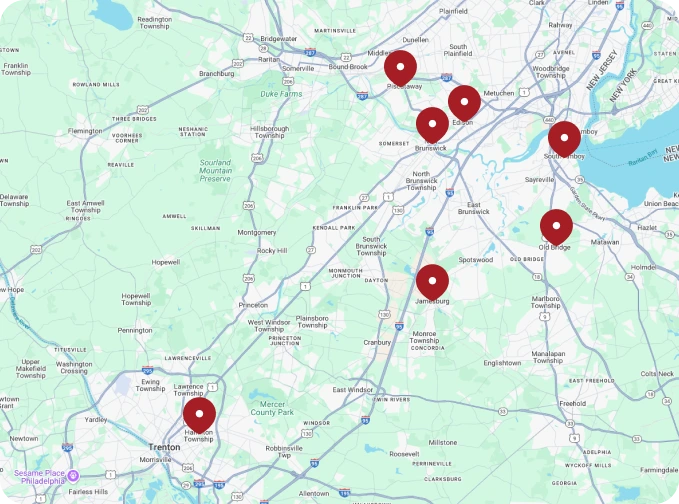


Keeping your dryer vent clean is one of the most effective and overlooked ways to protect your home, reduce energy costs, and keep laundry doing what it should—drying quickly and safely. In Edison, NJ homes, seasonal humidity, pollen, and frequent family laundry cycles can accelerate lint buildup and blockages. This page explains professional dryer vent cleaning services, inspection steps, cleaning methods, safety benefits (including fire-risk reduction), performance gains, recommended service intervals, and diagnostic or repair options for damaged vents.
.jpg)
Dryer Vent Cleaning In Edison, NJ
- Fire prevention: Lint is highly flammable. Clogged vents trap heat in the dryer, creating ignition conditions. Reducing lint buildup significantly lowers the risk of dryer-related fires.
- Efficiency and cost savings: Restricted airflow increases drying time and energy use. A cleaned vent shortens cycle times and reduces wear on the dryer.
- Indoor air quality and moisture control: Blocked vents can push lint and humidity back into the home, contributing to dust, musty smells, and potential mold growth—issues that are more noticeable during Edison’s humid summers.
- Gas dryer safety: For gas dryers, proper venting prevents dangerous buildup of combustion byproducts. Blocked vents can increase carbon monoxide risk.
Common dryer vent problems in Edison homes
- Long vent runs with multiple bends
- Flexible foil ducts that compress or collapse
- Bird or rodent nests and insect blockages near exterior terminations
- Damaged or disconnected duct sections behind the dryer
- Clogged exterior vent hood or broken damper
- Excessive lint from pet hair, large households, or bulky bedding cycles
Signs your dryer vent needs professional cleaning
- Laundry takes longer than usual to dry
- Dryer feels very hot to the touch or the laundry room gets unusually warm
- Lint accumulating around the dryer or floor
- Burning or musty odors during drying
- Dryer trips a breaker or overheats
- Visible lint at the exterior vent outlet or a blocked vent flap
Professional inspection: what to expect
A thorough dryer vent service begins with a detailed inspection to locate blockages and identify damage.
- Visual check of the dryer, lint trap, and rear dryer connection
- Exterior vent inspection to see if the hood, damper, or screen is blocked
- Measurement of airflow and temperature rise to evaluate performance
- Camera inspection for long or convoluted ducts when necessaryThis diagnostic step pinpoints where lint is trapped and whether repairs or rerouting are needed before cleaning.
Professional cleaning methods used
Experienced technicians use a combination of tools and techniques to remove lint and obstructions safely and completely:
- High-powered vacuum systems to extract loose lint and debris
- Rotary brush systems that travel through the duct to dislodge compacted lint
- Compressed air to blow debris toward the exterior outlet when safe to do so
- Manual cleaning of the lint trap housing, dryer cabinet access if needed, and exterior hood
- Camera post-cleaning inspection to verify clearance and airflow improvementProfessionals always take care to protect finishes, avoid pushing lint deeper into the system, and ensure exterior vent caps and damper flaps function correctly.
Diagnostic testing and verification
After cleaning, technicians typically verify results with:
- Airflow measurements at the exterior vent (anemometer)
- Temperature-rise checks across the dryer (to confirm reduced heat buildup)
- Visual confirmation via camera or direct sight of clear duct interiorThese tests confirm that the venting now meets safe operating conditions and performs efficiently.
Common repair and replacement options
If inspection reveals damaged or unsafe venting, the typical corrective actions include:
- Replacing flexible foil or plastic ducting with smooth, rigid or semi-rigid metal ducting (recommended)
- Repairing crushed or disconnected duct sections and properly sealing joints
- Replacing broken exterior vent hoods or dampers and installing insect/bird guards
- Rerouting excessively long or convoluted runs to shorten length and reduce bends
- Installing insulated ducting for runs through unconditioned spaces to reduce condensation
- Converting improper installs (e.g., venting into attics) to code-compliant exterior terminationsProper materials and secure clamping (not screws that catch lint) are critical for durability and safety.
Recommended cleaning frequency
- At minimum: once a year for most households.
- Heavy-use households (large families, frequent loads, pet hair, bulky bedding): every 6 months or more often.
- Long vent runs, shared laundry in multi-family units, or signs of restricted airflow: inspect immediately and clean as needed.
- For gas dryers: more frequent checks are advisable to ensure safe combustion venting.Regular cleaning intervals prevent dangerous compaction of lint and maintain dryer efficiency.
Performance and safety benefits you can expect
- Shorter drying cycles and lower energy bills
- Reduced risk of dryer fires and overheating
- Longer dryer lifespan and fewer mechanical failures
- Improved indoor air quality and less household dust
- Safer venting for gas dryer combustion products
Practical maintenance tips between professional visits
- Clean the lint screen after every load
- Keep the area around the dryer free of clutter and flammable materials
- Use shorter, lower-heat cycles when possible to reduce lint generation
- Inspect the exterior vent periodically for visible lint, animal nests, or a stuck damper
- Replace any crushed, foil, or plastic ducts with metal venting if you notice sagging or kinks
What a full service visit typically includes
- On-site inspection and airflow/temperature diagnostics
- Professional cleaning of the duct path from dryer to exterior (rotary brush, vacuum, or both)
- Cleaning of lint trap housing and dryer connection points
- Exterior vent and hood cleaning, repair, or replacement as needed
- Post-service airflow verification and camera documentation when required
- Recommendations for repairs, material upgrades, or future maintenance frequency
Keeping dryer vents clean is an essential safety and efficiency upgrade for Edison, NJ homes—especially given local humidity, seasonal pollen, and heavy laundry use. Regular professional inspection and cleaning protect your family from fire risk, lower energy costs, and keep your dryer running reliably. If you see signs of restricted airflow or have not had a vent inspection in the last year, a professional diagnostic and cleaning will identify problems and restore safe, efficient venting.