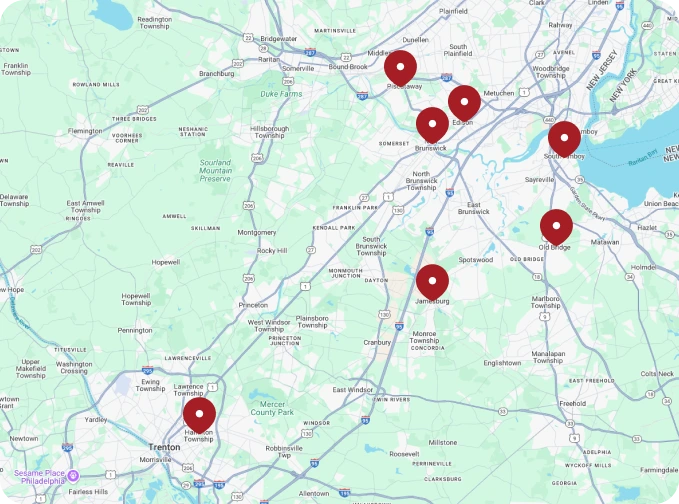


Household air quality testing in Edison, NJ helps families understand air pollutants, from dust and VOCs to mold, CO, and humidity. The service combines site walkthroughs, real-time measurements, and laboratory analysis when needed to identify pollutant sources and assess ventilation. Results are explained in plain language with actionable remediation options, including filtration upgrades, humidity control, source removal, and safety devices. Follow-up testing verifies effectiveness, with recommendations tailored to your home's layout, occupancy, and renovation plans.
.jpg)
Household Air Quality Testing in Edison, NJ
Indoor air quality matters for your family’s health and comfort. In Edison, NJ, humid summers, seasonal pollen, and a mix of older and recently renovated homes create conditions where allergens, mold, volatile organic compounds (VOCs), and combustion gases often become problems. Household air quality testing in Edison, NJ identifies the hidden pollutants affecting your home, explains what the results mean for your household, and provides targeted solutions—from simple behavior changes to equipment upgrades and verified remediation.
Why test your home’s air in Edison, NJ
- Persistent allergies, unexplained headaches, or new respiratory symptoms.
- Recent water damage, roof leaks, or high indoor humidity after summer storms.
- Renovations, new furniture, paint, or carpeting that can off-gas VOCs.
- Concerns about combustion appliances, attached garages, or stale indoor air.
- Buying or selling a home and needing documented indoor air information.
Testing gives objective data so you can address the root cause rather than guessing.
Common household air quality issues in Edison, NJ
- Particulate matter (PM2.5 and PM10): indoor dust, pet dander, cooking smoke, and outdoor traffic or construction particles that infiltrate homes.
- Volatile Organic Compounds (VOCs): off-gassing from paints, sealants, cleaning products, new flooring, and some household chemicals.
- Relative humidity extremes: Edison’s humid summers can push indoor RH above recommended levels, promoting mold and dust mite growth.
- Mold spores: indoor mold growth after leaks or poor drying, or elevated spore counts compared to outdoor levels.
- Carbon monoxide (CO) and carbon dioxide (CO2): incomplete combustion from furnaces, gas ranges, or poor ventilation can produce dangerous gases or indicate ventilation issues.
What a professional household air quality test includes
Testing combines visual inspection, real-time measurements, and laboratory analysis when needed. Typical components:
- Initial assessment and walkthrough
- Discuss symptoms, recent changes, known water events, and HVAC history.
- Identify likely pollutant sources and prioritize sampling locations (bedrooms, living areas, near HVAC returns, or garages).
- Real-time testing (on-site instruments)
- Particulate counters for PM2.5/PM10 to detect spikes from cooking, smoking, or outdoor infiltration.
- Handheld VOC meters for an immediate sense of indoor chemical loads.
- Digital hygrometers to map humidity throughout the home.
- CO and CO2 monitors to check combustion safety and ventilation performance.
- Air and surface sampling for lab analysis
- Mold spore air sampling (spore traps) to quantify indoor spore types and counts and compare them to outdoor baselines.
- Canister or sorbent tube sampling for VOCs when detailed VOC identification and quantification are required.
- Surface swabs when visible mold or contamination requires identification.
- HVAC and duct inspection
- Check filtration, duct leaks, humidity control, and whether HVAC is contributing to pollutant distribution.
How results are interpreted
Results are explained in plain language and compared to expected background levels and industry guidance. Interpretation includes:
- Relative comparisons: indoor vs outdoor particulate and mold spore counts to determine if pollutants are originating indoors.
- Humidity analysis: readings above 50% increase mold and dust mite risk; 30–50% is the recommended range for most homes.
- VOC patterns: short-term spikes point to source activities (painting, cleaning); elevated persistent VOCs suggest material off-gassing.
- CO/CO2 findings: detectable CO or rising levels indicate combustion safety issues—any sustained CO detection is treated seriously. CO2 consistently above ~1000 ppm signals inadequate ventilation.
A clear report outlines which readings are within expected ranges, which are elevated, and the likely sources tied to those findings.
Recommended remediation and equipment solutions
Remediation is targeted to the pollutant and source. Common recommendations for Edison homes include:
Source control and repairs
- Fix leaks, roof issues, plumbing, and ensure prompt drying after water events to stop mold growth.
- Replace or remove off-gassing materials when possible (low-VOC paints and finishes recommended).
- Service combustion appliances and ensure proper venting and clearances.
Filtration and air cleaning
- High-efficiency filtration in HVAC: use filters rated MERV 8–13 for typical homes; higher MERV or HEPA in problem situations (portable HEPA units for bedrooms and living areas).
- Activated carbon or specialized media for VOC reduction when tests show elevated chemical loads.
- UV-C or bi-polar ionization options for biological control in some HVAC systems—selected based on testing results and system compatibility.
Humidity and ventilation control
- Whole-home dehumidifiers or portable dehumidifiers in basements and damp areas to maintain 30–50% RH.
- Improve ventilation with properly sized ERV/HRV systems or increase fresh air exchanges to dilute indoor pollutants—especially important when CO2 measurements indicate poor ventilation.
Mold remediation
- Controlled containment and professional removal for active mold growth.
- Cleaning and drying protocols plus replacement of irreparably damaged materials.
- Post-remediation verification testing to confirm successful removal.
Safety devices and monitoring
- Install or replace CO detectors near sleeping areas and on each level of the home.
- Consider continuous indoor air monitors for PM, VOCs, and CO2 if occupants are sensitive or if the home has recurring issues.
Follow-up testing and verification
After remediation or equipment changes, follow-up testing verifies effectiveness. Typical follow-up options:
- Short follow-up visit with real-time instruments to confirm reductions in particulates, VOCs, humidity, and CO/CO2.
- Repeat lab sampling for mold or VOCs if initial results were elevated and required professional remediation.
- Scheduled periodic monitoring (seasonal or after specific activities such as renovations) to catch new issues early.
When to prioritize testing
Consider testing if you notice:
- New or worsening allergy symptoms, unexplained cough, headaches, or fatigue.
- Persistent musty or chemical odors after renovations.
- Recent flooding, leaks, or slow drying after storms.
- Recent installation or replacement of appliances, carpeting, or cabinetry.
- You want documented air quality data before buying, selling, or renovating.
Household air quality testing in Edison, NJ gives you the facts to make confident, effective decisions. Proper testing pinpoints sources, directs the most efficient remediation approach for your home and family, and confirms that solutions are working—helping you restore healthy indoor air in a community where humidity, seasonal allergens, and varied housing stock make testing especially valuable.