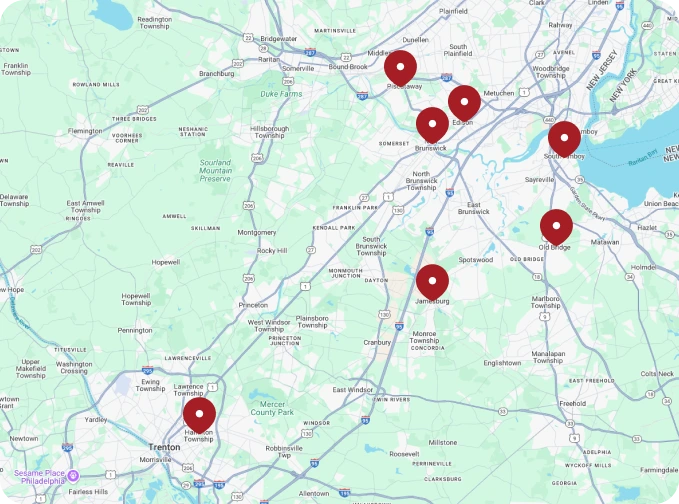


Upgrading your home’s air conditioning system is one of the most effective ways to improve summer comfort, reduce utility bills, and avoid costly emergency repairs. In Old Bridge, NJ, with hot, humid summers and wide seasonal temperature swings, a properly sized, modern AC replacement delivers not just cooler air but better humidity control, quieter operation, and longer-term reliability. This page explains when to replace vs repair, how a professional system evaluation and cost-benefit analysis works, energy-efficient model recommendations for Old Bridge homes, the removal and disposal process for old equipment, the installation sequence for a new unit, and the rebates and financing options commonly available — plus realistic expectations for energy and comfort improvements.
.jpg)
AC Replacement in Old Bridge, NJ
Deciding between repairing an existing air conditioner and replacing it depends on age, reliability, efficiency, and cost of repairs. Consider replacement when you notice any of the following:
- Your system is 10–15 years old and nearing typical end-of-life for central AC equipment.
- Cooling capacity is reduced, rooms are unevenly cooled, or humidity remains high despite running the unit.
- Frequent, costly repairs are required (multiple calls in a single cooling season).
- The outdoor compressor/condensing unit is rusted or the evaporator coil is failing from long-term wear or corrosion from coastal humidity.
- Your current system uses outdated refrigerant or has significantly lower seasonal energy efficiency (SEER) than current models.
- You want quieter operation, better dehumidification, or smart thermostat compatibility.
If a single inexpensive repair restores normal performance and the system has life left, repair can be reasonable. For systems with chronic problems, high repair bills, or poor efficiency, replacement is typically the most cost-effective long-term choice.
System evaluation and cost-benefit analysis
A professional evaluation in Old Bridge should include:
- Age and service history review
- Visual inspection of the outdoor unit, indoor coil and blower, and ductwork
- Performance testing: refrigerant pressures, airflow, temperature split, and electrical components
- Duct leakage and static pressure check
- Energy-use estimate compared with a modern replacement
Cost-benefit analysis factors:
- Immediate repair cost vs estimated remaining lifespan
- Estimated annual energy savings from a high-efficiency replacement
- Comfort improvements (even cooling, humidity control)
- Resale value and code or refrigerant compliance
- Available rebates, tax credits, and financing that offset upfront cost
This evaluation produces a clear recommendation and payback estimate so you can compare repair vs replacement on measurable terms.
Energy-efficient model recommendations for Old Bridge, NJ
For local conditions (hot, humid summers and cool winters), prioritize systems that deliver both cooling efficiency and humidity control:
- SEER 16+ central AC units or ENERGY STAR-certified models for meaningful energy savings.
- Two-stage or variable-speed compressors for gentler, more efficient operation and better dehumidification during New Jersey’s humid months.
- Matched systems (indoor coil and outdoor condensing unit) to ensure optimal performance.
- Heat pump options for combined heating and cooling where appropriate — modern heat pumps work well in moderate NJ winters and can reduce overall utility expenses.
- Variable-speed air handlers and enhanced coils to improve airflow and humidity removal.
- Smart thermostats and zoning options to manage uneven load rooms and reduce wasted cooling.
Specify models with durable coatings on outdoor coils if your property faces higher humidity or near-shore conditions to extend equipment life.
Removal and disposal of old equipment
Proper removal protects your home and the environment. A compliant replacement process includes:
- Safe refrigerant recovery performed to EPA standards (no venting of refrigerant).
- Disconnecting and removing the old outdoor and indoor components.
- Recycling of metal parts and responsible disposal of non-recyclable materials per New Jersey regulations.
- Cleaning or replacing the indoor evaporator coil if reusing existing air handler and ensuring duct connections are properly sealed.
- Documented disposal records when requested for rebates or local permit compliance.
A professional crew will also inspect the existing pad, lineset, and electrical service to determine if upgrades or replacements are needed.
Installation process: what to expect
A properly executed installation minimizes future problems and maximizes performance:
- Pre-installation assessment: confirm load calculations, duct conditions, and electrical capacity.
- Remove old equipment and recover refrigerant.
- Prepare pad and mounting, and install the new outdoor condensing unit.
- Install or match the indoor coil/air handler, ensuring proper refrigerant line sizing and insulation.
- Connect electrical, thermostat, and safety controls; upgrade disconnects or breakers if necessary.
- Evacuate the refrigerant lines, charge the system to manufacturer specifications, and balance airflow.
- Test system performance: verify temperatures, pressures, airflow, and proper sequencing.
- Walk-through: review operation, thermostat settings, and maintenance recommendations.
Proper installation and commissioning are as important as the equipment choice for long-term efficiency and reliability.
Rebates, tax credits, and financing options in New Jersey
Old Bridge homeowners can often offset replacement costs through a combination of:
- State or utility-run energy efficiency rebates aimed at high-efficiency central AC or heat pump installations.
- Federal tax credits or incentives for qualifying high-efficiency heat pumps or energy-saving HVAC upgrades when available.
- Manufacturer or dealer offers and trade-in incentives.
- Financing options that spread payments over time, including low-interest plans and seasonal payment programs.
Always confirm current program availability and eligibility before planning a replacement; incentive programs change periodically and may require pre-approval or specific equipment tiers.
Expected energy and comfort improvements
A modern, correctly sized AC replacement in Old Bridge typically delivers:
- Lower monthly cooling bills due to higher SEER ratings and reduced runtime.
- Faster, more even cooling across rooms and improved humidity control during humid summer months.
- Quieter operation and fewer emergency repairs.
- Better indoor air quality when paired with upgraded filtration or ventilation strategies.
- Enhanced home value and compliance with modern efficiency standards.
Realistic savings depend on the old unit’s efficiency, insulation and duct condition, thermostat behavior, and usage patterns. A professional estimate will show expected annual energy savings versus your current system.
Maintenance and lifespan after replacement
To protect your investment and sustain performance:
- Schedule regular seasonal tune-ups (spring and fall) to maintain efficiency and catch issues early.
- Replace or clean filters monthly to preserve airflow and coil performance.
- Keep the outdoor unit free of debris and vegetation that can restrict airflow.
- Seal and inspect ductwork periodically; leaks reduce efficiency and comfort.
- Expect a well-maintained modern central AC to last 12–20 years depending on usage and maintenance.
Replacing an aging system with a properly installed, efficient model pays dividends in comfort, lower operating costs, and reduced downtime. For Old Bridge homes, selecting equipment suited to humid summers and ensuring quality installation and disposal practices will deliver the most reliable, cost-effective cooling for years to come.