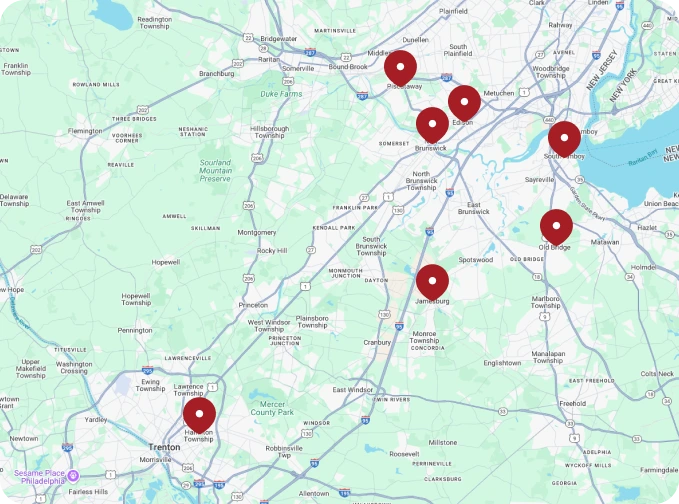


Furnace installation in Edison, NJ provides a comprehensive, safety-focused approach to upgrading and sizing a heating system. The guide covers when replacement is wise, common installation scenarios, and the critical initial load calculations, including Manual J assessments and duct inspection. It outlines equipment selection with high efficiency models, two-stage or modulating valves, favorable brands, and energy rebates. It details a professional, step-by-step installation process, code compliance, warranty considerations, financing options, and recommended maintenance to maximize comfort and reliability.
.jpg)
Furnace Installation In Edison, NJ
A correctly sized, professionally installed furnace delivers reliable warmth, lower energy bills, and safer operation through New Jersey winters. For Edison, NJ homeowners dealing with an aging system, uneven heating, rising utility costs, or new construction, a full-service furnace installation in Edison, NJ addresses comfort and safety while meeting local code requirements. Below is a clear, expert guide to the installation process, what to expect, and how to protect your investment.
Why replace your furnace in Edison, NJ
- Older furnaces lose efficiency and can produce higher energy bills during cold months.
- Frequent repairs, inconsistent heat, or safety concerns such as carbon monoxide risk indicate replacement is more cost effective.
- Modern high-efficiency units perform better in the region’s cold snaps and can pair with smart thermostats and zoning for greater comfort control.
- Edison homes often have varied construction ages and duct layouts, making a tailored installation critical.
Common furnace installation scenarios in Edison, NJ
- Replacing a failed or inefficient gas furnace with a high-efficiency condensing model.
- Upgrading from single-stage to variable-speed or modulating systems for comfort and efficiency.
- Converting from electric resistance heating to a gas furnace or a hybrid heat pump-furnace system.
- New-build or addition requiring a new heating system and properly sized ductwork.
- Right-sizing and duct sealing in older homes with uneven room temperatures.
Initial home assessment and load calculations
A proper installation starts with a detailed assessment of your home. Key steps include:
- Performing a Manual J load calculation to determine the correct furnace capacity. Oversized or undersized equipment causes short cycling, discomfort, and inefficiency.
- Inspecting existing ductwork for leaks, undersizing, or poor insulation. Leaky ducts can waste up to 20 percent or more of heated air.
- Checking combustion air, venting, and flue conditions for safe operation.
- Reviewing thermostat location, zoning opportunities, and insulation levels.This diagnostic phase ensures the furnace selected will meet your home’s real needs in Edison’s humid summers and cold winters.
Equipment selection: energy-efficient models and brands
Choosing the right furnace balances efficiency, reliability, and budget.
- Look for high AFUE ratings for gas furnaces; higher AFUE means more heat from each fuel dollar.
- Consider variable-speed blowers and two-stage or modulating gas valves for steady temperatures and quieter operation.
- Condensing furnaces extract extra heat from exhaust gases and often pair with PVC venting.
- Popular, proven brands commonly used in professional installations include Carrier, Trane, Lennox, Rheem, and Goodman. Choose models with good parts availability and local service support.
- Consider ENERGY STAR certified options and check for eligibility in New Jersey energy rebate programs to improve payback.
Professional installation steps
A professional installation follows a systematic process to ensure performance and safety:
- Site preparation and protective floor coverings.
- Power and gas shutoff, then safe removal and disposal of existing equipment per local regulations.
- Framing and placement of the new furnace, including pad or platform if required.
- Duct connections, sealing, and any necessary duct modifications or insulation.
- Gas line connection and pressure testing by a qualified technician.
- Venting and condensate drain installation for condensing units.
- Electrical hookup for controls, blower, and safety systems.
- Thermostat installation and configuration; integrate zoning systems if included.
- Start-up, combustion analysis, carbon monoxide test, and full safety checks.
- Final adjustments, system documentation, and performance verification.Each step includes code-compliant practices and documentation for municipal inspections in Edison and surrounding townships.
Safety and code compliance
Furnace installations must comply with New Jersey building and fuel gas codes as well as local Edison ordinances. Critical compliance points:
- Proper venting clearances and flue capacity.
- Correct gas piping, valves, and shutoffs.
- Combustion air requirements and sealed combustion options where needed.
- Electrical bonding and thermostat wiring to code.
- Post-installation inspection and permits as required by local authorities.Homeowners should keep records of permits, inspection reports, and the installation checklist for warranty and resale purposes.
Timeline and what to expect on installation day
Expect most furnace replacements to take one full day for standard residential installs. Complex jobs involving ductwork, structural changes, or permits may extend to two or more days. On installation day:
- Technicians will need clear access to the furnace area and outdoor venting paths.
- There will be some noise and temporary loss of heat during equipment changeover.
- Technicians will demonstrate system operation, show you control settings, and leave documentation including warranties and maintenance recommendations.
Warranty and manufacturer information
- New furnaces come with manufacturer warranties on parts and heat exchanger coverage. Heat exchanger warranties are typically the longest and most significant.
- Labor warranties are separate and vary by installer. Get written warranty terms for both parts and labor.
- Manufacturers often require system registration soon after installation to keep warranties valid.Keep original paperwork and record service dates to preserve warranty rights.
Financing options and incentives
Many homeowners in Edison benefit from financing programs, utility rebates, and state incentives for energy-efficient upgrades. Options commonly available:
- Low-interest financing or payment plans through lenders or financing partners.
- Utility rebates for high-efficiency equipment or qualifying installations.
- Federal or state programs that support energy efficiency and home performance upgrades.High-efficiency furnaces can offset installation costs over time through lower fuel bills and available incentives.
Recommended follow-up maintenance
A new furnace should be maintained annually to preserve efficiency and reliability:
- Annual tune-up including burner cleaning, heat exchanger inspection, and safety checks.
- Replace or clean filters every 1 to 3 months depending on type and household conditions.
- Carbon monoxide alarm placement and periodic testing.
- Duct inspections and sealing every few years, or sooner if airflow issues appear.A regular maintenance plan prolongs equipment life and helps maintain warranty compliance.
ConclusionA professional furnace installation in Edison, NJ combines accurate sizing, careful equipment selection, skilled installation, and code-compliant safety checks to deliver dependable warmth through the winter months. With the right planning, high-efficiency equipment, and routine maintenance, homeowners in Edison can expect improved comfort, lower energy costs, and a safer heating system for years to come.