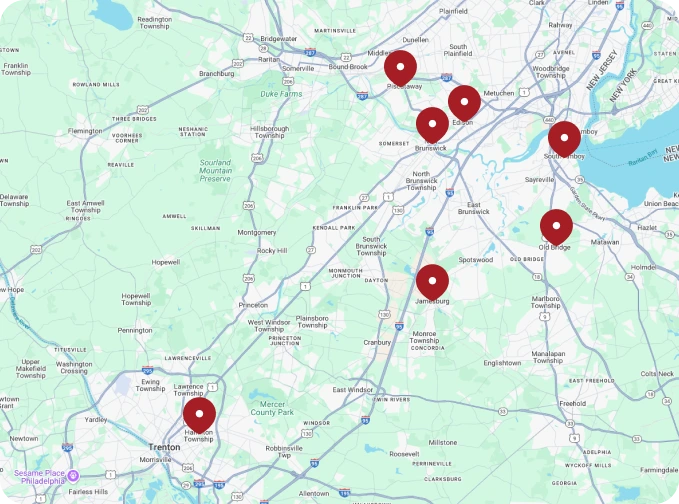


Keeping your furnace tuned and inspected is one of the most cost-effective ways to protect comfort, safety, and energy costs in Edison, NJ homes. With cold Northeastern winters, seasonal temperature swings, and a mix of newer and older housing stock, routine furnace maintenance prevents mid-winter breakdowns, improves efficiency, and reduces the risk of safety hazards like carbon monoxide. This page explains what a professional furnace maintenance visit covers, common local issues, the diagnostic and service process, maintenance plan options, priority service perks, and how recurring visits typically work.
.jpg)
Furnace Maintenance in Edison, NJ
- Northeastern winters subject systems to prolonged run-times; untreated furnaces work harder, wear faster, and use more energy.
- Humidity and freeze-thaw cycles can accelerate corrosion and affect venting components.
- Many Edison homes have older furnaces or duct systems that benefit most from preventive attention.
- Regular maintenance preserves warranties and helps detect safety issues (combustion problems, cracked heat exchangers, blocked vents) before they become emergencies.
Common furnace maintenance issues in Edison homes
- Clogged or neglected air filters causing reduced airflow, uneven heating, and increased energy use.
- Dirty burners and combustion chambers leading to inefficient operation and soot buildup.
- Faulty ignition systems or pilots that cause intermittent operation or failure to light.
- Worn blower motors, belts, or bearings producing noise and decreased airflow.
- Cracked or corroded heat exchangers posing safety and efficiency risks.
- Blocked or deteriorated flue and venting components that affect combustion and indoor air quality.
- Thermostat calibration drift producing temperature swings and unnecessary cycling.
Inspection checklist: what a thorough tune-up includes
A complete seasonal furnace tune-up includes a systematic inspection and testing of critical components:
- Air filters: check condition and replace or recommend upgrade if needed.
- Burners and combustion area: clean and inspect for proper flame pattern and soot.
- Heat exchanger: visual inspection for cracks, corrosion, or signs of stress.
- Ignition and pilot systems: test and clean the ignitor or pilot assembly for reliable starts.
- Safety controls and limit switches: test for correct operation to prevent overheating or unsafe conditions.
- Gas pressure and connections (for gas furnaces): inspect for leaks and proper pressure settings.
- Blower assembly and motor: clean, lubricate where applicable, inspect belts and bearings.
- Duct connections and supply registers: inspect for leaks, blockages, and airflow balance.
- Flue and venting: check for blockage, corrosion, proper draft, and secure fittings.
- Thermostat calibration: verify temperature accuracy and proper cycling behavior.
- Electrical connections: tighten and inspect for wear or overheating.
- Combustion analysis (when applicable): measure combustion efficiency and emissions to ensure safe operation.
Cleaning, calibration and preventive tasks
During a seasonal tune-up technicians perform targeted cleaning and calibration tasks to restore efficient operation:
- Deep-clean burners, combustion chamber, and blower to remove debris, dust, and soot.
- Replace or change disposable air filters; recommend higher-efficiency media or MERV-rated filters when appropriate.
- Lubricate motors and moving parts (if manufacturer allows).
- Adjust gas valves and burner orifices to factory settings for clean combustion.
- Balance and test airflow across zones if multiple registers or dampers exist.
- Recalibrate thermostat and controls for accurate temperature control and proper cycling.
- Verify safety device operation and document any recommended repairs.
Repairs vs replacement: how decisions are made
Maintenance often uncovers minor issues that are repairable, but some findings indicate replacement may be the safer or more cost-effective choice:
- Repairable problems: dirty burners, worn belts, clogged filters, faulty ignitors, minor electrical faults, blower motor servicing.
- Replacement considerations: cracked heat exchanger, repeated major component failures, age beyond typical service life, rusted or severely corroded flue components, chronic inefficiency despite repairs.Technicians evaluate safety, remaining life expectancy, and the long-term efficiency impact when recommending repair or replacement, and they explain tradeoffs in plain terms.
Maintenance plans and tiers (no pricing included)
Homeowners usually choose from tiered plans designed to match needs and budgets. Typical plan structures include:
- Basic Plan: annual furnace inspection and tune-up, filter reminders, seasonal checklist, and documentation of service.
- Standard Plan: everything in Basic plus priority scheduling, discounted parts/labor on repairs, and two seasonal visits (pre-heat and mid-season check).
- Premium Plan: annual or biannual tune-ups, filter replacement service, priority emergency response during winter, extended system testing (combustion analysis), and multi-system coverage (furnace + other HVAC equipment).Plans commonly include seasonal reminders, a maintenance record for warranty compliance, and options to add on air quality services or duct cleaning.
Priority service perks
Plan members often receive priority service perks valuable during peak winter demand:
- Faster scheduling windows during cold spells and storm events.
- Priority dispatch for diagnosis and emergency calls.
- Extended inspection times for complex systems and multi-family homes.
- Advance scheduling for pre-season visits to ensure readiness before sustained cold arrives.These perks reduce the risk of long forced outages and get homes back to heat faster when problems do occur.
How recurring scheduling works and homeowner preparation
Recurring visits are typically scheduled as annual or biannual appointments tied to the heating season. A standard process looks like this:
- Pre-season appointment scheduled before the first sustained cold snap.
- Optional mid-season check for high-use climates or older systems.
- Reminder notices and flexible time windows to fit household schedules.For each visit, easy preparations help techs work efficiently:
- Clear access to the furnace, vents, and thermostat area.
- Ensure the furnace switch and breaker are accessible.
- Note recent symptoms (noise, odors, uneven heating) to help diagnose issues faster.
- Have a list of upstairs/downstairs comfort complaints or known problem zones ready.
Simple maintenance tips you can do between tune-ups
- Change or clean filters every 1 to 3 months depending on usage and filter type.
- Keep vents and returns unobstructed and vacuum registers to reduce dust.
- Set thermostat schedules to reduce unnecessary cycling and wear.
- Watch for warning signs: strange smells, frequent cycling, rattles, or higher-than-normal bills.
Regular furnace maintenance in Edison, NJ protects comfort, extends equipment life, and reduces safety risks during long winter months. A thorough inspection and tune-up catches developing problems early, restores efficiency, and keeps your heating system operating reliably when you need it most.