

Heating replacement in New Brunswick, NJ begins with a tailored assessment to accurately size the new system, review fuel options, and ensure code compliance, then progresses through installation and commissioning. The guide explains how to choose efficient equipment, address removal and disposal, secure financing and rebates, and plan ongoing maintenance. By prioritizing reliability, comfort, and energy savings, the page outlines practical steps for a safe, long-lasting upgrade that reduces bills and protects home value in cold winters.
Heating Replacement In New Brunswick, NJ
Replacing a heating system is one of the most important upgrades a homeowner can make for comfort, safety, and long-term energy savings. In New Brunswick, NJ, where winters are cold and humidity swings are common, an outdated furnace or failing boiler can mean higher energy bills, uneven heat, and growing safety risks. This page explains the full heating replacement process from assessment through installation and commissioning, highlights how to choose the right equipment, and outlines removal, financing, rebates, and follow-up maintenance to protect your investment.
Why replace your heating system now
- Frequent breakdowns and rising repair costs are signs that replacement will be more cost effective than continued fixes.
- Older systems often operate at low efficiency, driving up energy bills in New Brunswick winters.
- Safety concerns such as cracking heat exchangers or deteriorating oil tanks are immediate reasons to replace a system.
- Modern systems deliver better comfort, quieter operation, and lower emissions, which matters in communities focused on sustainability.
Common heating replacement issues in New Brunswick, NJ
- Inconsistent temperature between rooms due to undersized equipment or leaking ductwork.
- Systems that short cycle because they are oversized or have failed controls.
- Oil-to-gas conversions or replacing aging oil tanks common in older New Brunswick homes.
- Poor indoor air quality linked to old furnaces without modern filtration or proper ventilation.
- Inadequate electrical capacity for modern heat pumps in homes with older wiring.
Initial assessment and diagnostic process
A professional replacement begins with a thorough assessment tailored to New Brunswick homes:
- Load calculation using industry-standard methods to size the new system based on your home layout, insulation, windows, and occupancy.
- Inspection of ductwork, vents, chimneys, and fuel lines to identify repairs or upgrades required before installation.
- Evaluation of existing electrical service and panel capacity when heat pumps or high-efficiency systems are considered.
- Fuel source review including natural gas availability, condition of oil tanks, or feasibility of all-electric solutions.
- Review of local code and permitting requirements to ensure compliance with New Brunswick and Middlesex County regulations.
This diagnostic step prevents common pitfalls like oversizing, mismatched components, and unexpected scope changes during installation.
Equipment selection criteria
Choosing the right replacement system requires balancing efficiency, comfort, and longevity:
- Efficiency ratings: Look for high AFUE for furnaces and high HSPF/SEER for heat pumps. Higher ratings mean lower operating costs, especially during New Brunswick winters.
- Fuel type and availability: Compare natural gas, propane, oil, and electric heat pump options against utility costs and infrastructure at your property.
- Distribution method: Decide between forced-air furnaces, boilers with hydronic heat, or ductless and ducted heat pumps based on existing ductwork and layout.
- Cold climate performance: For New Brunswick, select heat pumps rated for low-temperature operation if considering an electric solution.
- Controls and zoning: Modern thermostats and zoning systems improve comfort and can reduce wasted energy in multi-level or multi-zone homes.
- Size and footprint: Consider physical space, access for installation, and whether structural changes or venting upgrades will be required.
Removal and disposal procedures
Replacing a heater involves careful, code-compliant removal and disposal:
- Safe decommissioning of old systems, including cleaning and securing fuel lines or electrical disconnects.
- Proper handling and removal of oil tanks or contaminated soils when present, following local environmental regulations.
- Refrigerant recovery and recycling for existing heat pump systems performed by certified technicians to meet EPA refrigerant handling rules.
- Recycling of metal components and responsible disposal of hazardous materials to minimize environmental impact.
Technicians will document disposal and provide any required proof for permits or rebate applications.
Installation and commissioning
A professional installation protects performance and warranties:
- Precise installation of new equipment, right-sized ductwork or piping, and any necessary structural or venting modifications.
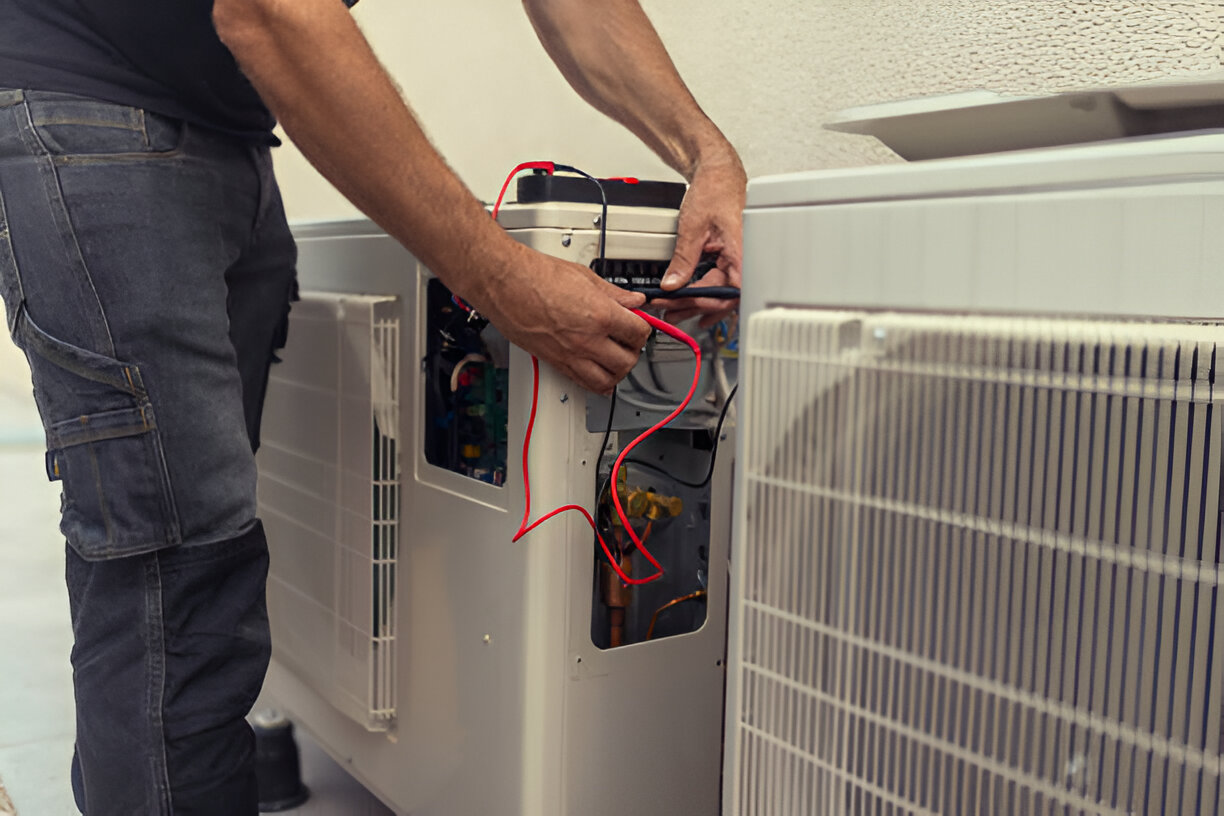
- System commissioning that includes combustion analysis for fuel-burning appliances, airflow balancing, thermostat calibration, and safety checks for carbon monoxide.
- Performance testing to verify efficiency, proper cycling, and consistent temperature delivery throughout the home.
- Walkthrough of system operation and maintenance needs in plain language so you understand how to get the best life and efficiency from the new system.
Local permitting and inspections are coordinated to ensure the installation meets New Brunswick codes and standards.
Financing and rebate assistance
Replacing a heating system is an investment. Typical options and assistance include:
- Financing plans and low-interest loans structured to spread the upfront cost into manageable payments.
- Utility and state incentives or rebates for high-efficiency systems and qualifying upgrades. Eligibility usually depends on equipment efficiency and contractor documentation.
- Help with paperwork and rebate submission to maximize available incentives, and guidance on tax credits or local programs that may apply to New Brunswick homeowners.
A knowledgeable provider will explain which incentives apply to your situation and ensure installations meet program requirements.
Follow-up maintenance plans to protect your investment
Scheduled maintenance preserves efficiency and extends equipment life:
- Annual tune-ups that include filter replacement, system cleaning, combustion safety checks, and efficiency verification.
- Priority service options and seasonal inspections to catch small issues before they become costly failures.
- Warranty coverage for parts and labor and optional extended warranties for long-term protection.
- Simple homeowner tasks such as regular filter checks, keeping vents unobstructed, and monitoring for unusual noises or smells.
Routine maintenance is especially important in New Brunswick where cold snaps and humidity can stress systems.
Benefits of modern high-efficiency heating systems in New Brunswick
- Lower monthly energy bills and predictable heating costs across cold months.
- Improved comfort with more even temperatures and quieter operation.
- Reduced carbon footprint and alignment with local sustainability goals.
- Fewer emergency repairs and longer system lifespan with proper maintenance.
- Increased home value and compliance with modern building standards.
A thoughtful replacement strategy that starts with a detailed assessment and continues through professional installation, commissioning, and ongoing maintenance ensures your New Brunswick home stays warm, safe, and efficient.