

Heating tune ups in New Brunswick, NJ provide safer, more efficient heating by cleaning components, verifying combustion, and correcting settings before cold weather. Regular service helps prevent short cycling, improves heat distribution, reduces energy waste, and extends equipment life. A tune up covers safety checks, cleaning of burners and sensors, thermostat calibration, gas and fuel tests, and recommended repairs. Diagnostics systematically assess performance, identify worn parts, and document needed maintenance. Integrating annual tune ups into a maintenance plan boosts reliability and resale value.
Heating Tune Up In New Brunswick, NJ
Keeping your heating system running safely and efficiently matters in New Brunswick, NJ, where cold, damp winters can strain older furnaces and boilers. A professional heating tune up reduces breakdown risk, improves comfort, and helps lower energy use at a time when consistent performance is critical. This page explains what a heating tune up includes, common issues seen in New Brunswick homes, the diagnostic and adjustment process, and how ongoing maintenance helps protect your system.
Why a Heating Tune Up Matters in New Brunswick
New Brunswick experiences seasonal temperature swings, coastal humidity, and periods of heavy use that expose heating systems to wear. Many local homes are older or have mixed heating types (gas furnaces, oil boilers, hot water systems), which makes routine service essential. A tune up:
- Ensures safe combustion and proper venting to reduce carbon monoxide risk.
- Restores efficiency by cleaning components and correcting settings.
- Identifies worn parts early so you avoid emergency repairs on the coldest days.
- Extends equipment life by reducing stress on moving parts.
These benefits are particularly valuable in New Brunswick, where frequent start-stop cycles and winter humidity increase corrosion and residue buildup.
Common Heating Problems in New Brunswick Homes
Homes in this area commonly present these issues during the heating season:
- Weak or inconsistent heat distribution due to clogged filters, restricted vents, or failing blower motors.
- Short cycling where the system turns on and off frequently, often caused by improper thermostat settings, airflow issues, or a malfunctioning control board.
- Reduced efficiency from dirty burners, heat exchangers, or sediment in boilers.
- Noisy operation from loose components, failing bearings, or air in hydronic lines.
- Safety concerns such as cracked heat exchangers, blocked flues, or improper combustion leading to elevated carbon monoxide risk.
A proper tune up addresses these problems before they escalate into costly breakdowns or safety hazards.
What a Heating Tune Up Includes
A comprehensive heating tune up covers safety, efficiency, and reliability checks. Typical tasks performed include:
- Visual safety inspection of the system cabinet, venting, and combustion area.
- Combustion safety checks to verify proper ignition, flame quality, and venting when applicable.
- Cleaning of burners, flame sensors, and ignition components for reliable startup.
- Inspection and testing of the heat exchanger or boiler surfaces for cracks or leaks.
- Airflow and filter assessment with recommendations or replacement of filters.
- Blower motor and fan inspection, lubrication if needed, and belt checks on applicable systems.
- Thermostat calibration and control verification to make sure setpoints read and respond accurately.
- Gas pressure and fuel delivery checks for gas-fired systems, and oil nozzle/combustion review for oil systems.
- For boilers: inspection of pumps, air eliminators, expansion tanks, and pressure levels.
- Inspection of flue and chimney for blockages, corrosion, or improper termination.
- Electrical connection tightening and operational testing of safety switches and limit controls.
- Recommendations for minor repairs or parts likely to fail soon based on condition.
Technicians will document observations and advise whether simple adjustments, part replacements, or more advanced repairs are recommended.
Diagnostic Process: What to Expect During Service
The diagnostic sequence is systematic and designed to catch both obvious and hidden problems:
- Initial system run and observation to note noisy behavior, ignition patterns, and response to thermostat changes.
- Safety sweep where combustion areas, flues, and vents are inspected for leaks or obstructions.
- Component-level checks (filters, burners, blower, pumps) to measure cleanliness and function.
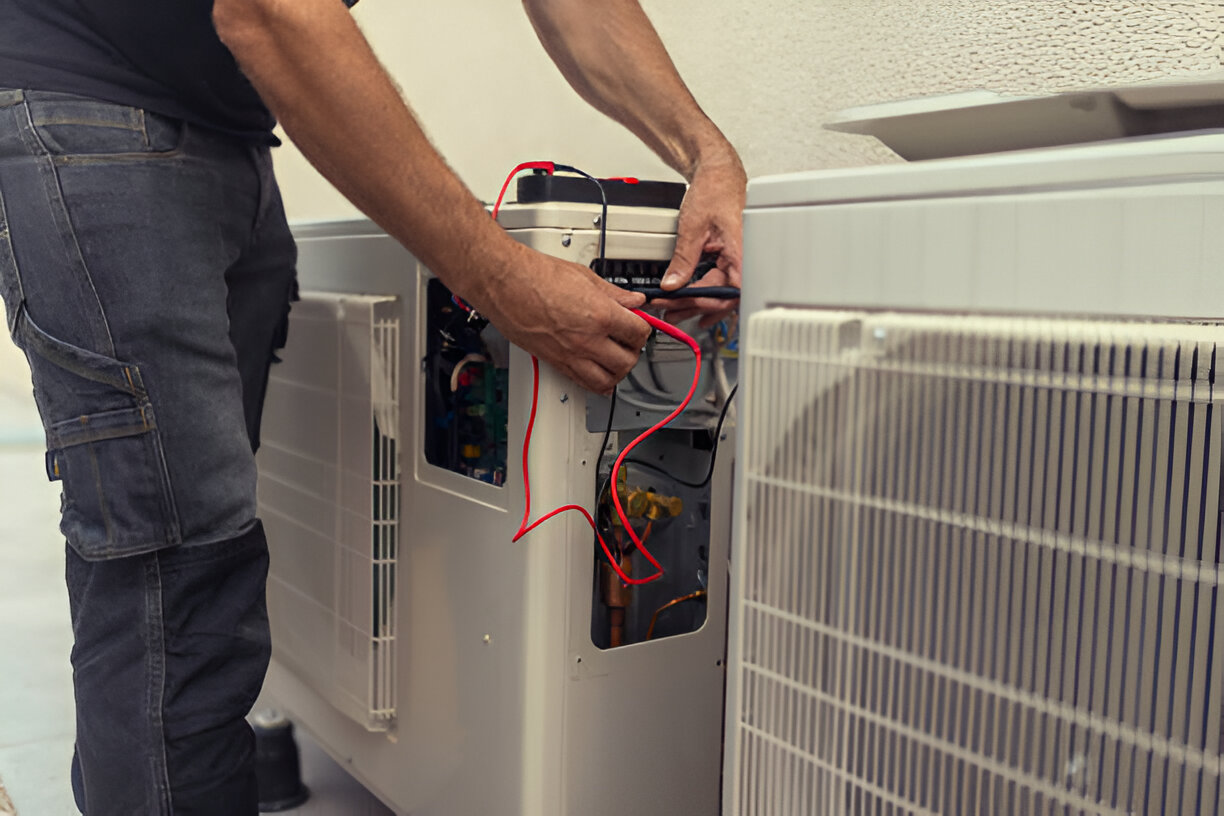
- Instrumented checks when needed, such as pressure testing, electrical measurements, or combustion analysis to confirm safe operation.
- Final performance assessment once cleaning and adjustments are complete to confirm improved operation.
The goal is to return the system to factory-recommended performance parameters or to clearly document any deviations that need further work.
Common Repairs and Solutions Identified During Tune Ups
A tune up often resolves issues on the spot or reveals needed repairs that prevent future failures. Common on-site fixes include:
- Replacing clogged air filters and cleaning vents to restore airflow.
- Adjusting blower speeds, thermostat settings, or control parameters to reduce short cycling.
- Tightening electrical connections and replacing worn capacitors or relays that cause intermittent failures.
- Cleaning burners and flame sensors to ensure reliable ignition and efficient combustion.
- Bleeding radiators or flushing low spots in hydronic systems to remove trapped air and restore quiet operation.
Where wear or damage is detected—such as a cracked heat exchanger, failing pump, or compromised venting—the technician documents the condition and explains why replacement or more extensive repair is recommended.
Adding Tune Ups to an Ongoing Maintenance Plan
Regular service is the most reliable way to protect heating equipment. Many homeowners choose to add annual heating tune ups to a seasonal maintenance plan that includes:
- Scheduled inspections before the heating season to catch issues early.
- Priority scheduling during peak cold weather.
- Documentation of service history for warranty support and resale value.
An ongoing plan aligns with manufacturer requirements for routine maintenance and helps spread out service across seasons for predictable care and improved longevity.
Final Notes: Safety, Savings, and Comfort
A heating tune up in New Brunswick, NJ protects your home by reducing safety risks, cutting energy waste, and improving comfort during cold months. Regular attention minimizes emergency repairs, supports consistent indoor temperatures through winter storms, and preserves equipment value. For homeowners in this region, an annual tune up is a practical, technically sound investment in safety and long-term operating cost control.