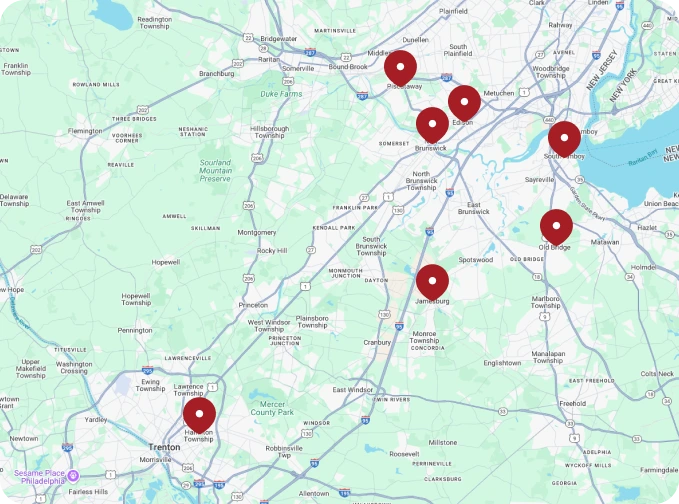


When an air conditioner fails in New Brunswick, NJ, the impact is immediate: uncomfortable indoor temperatures, higher humidity, and potential disruption for families and businesses near Rutgers and the downtown district. Local summers are hot and humid, with occasional heat waves and storm-related power fluctuations that stress aging systems. Expert AC repair focused on quick, accurate diagnosis and durable fixes keeps homes and small commercial spaces comfortable and energy-efficient while reducing the risk of repeat failures.
.jpg)
AC Repair in New Brunswick, NJ
Understanding the most frequent causes of breakdowns helps you spot problems early and prioritize repairs.
- Compressor failure
The compressor is the heart of the system. Symptoms include weak or no cooling, loud clunking or humming from the outdoor unit, and tripped breakers. Causes are often electrical faults, refrigerant starvation, or mechanical wear—older rooftop or packaged units in multi-family buildings are especially vulnerable. - Capacitor and contactor issues
Capacitors and contactors supply the initial boost to motors. When they fail, the outdoor fan or compressor may not start, or the system may cycle on and off rapidly. Heat, humidity, and age accelerate these failures. - Refrigerant leaks and low charge
Low refrigerant leads to poor cooling and can freeze the evaporator coil. In New Brunswick, older units may still use phased-out refrigerants, making repair options and compliance a factor. Leaks must be located and repaired before recharge. - Thermostat and control problems
If the thermostat misreads temperature or fails to communicate with the system, you’ll see inconsistent operation or no cooling. Smart thermostats and older analog units can both suffer from wiring or calibration issues. - Airflow and coil issues
Clogged filters, dirty evaporator coils, restricted return ducts, or failing blower motors reduce airflow, causing poor cooling and strain on components. - Electrical faults and surge damage
Summer storms and power surges common in central New Jersey can damage control boards, capacitors, and other electrical components.
Typical diagnostic process
A thorough diagnostic avoids unnecessary repairs and ensures the right fix.
- Initial assessment: Technician documents symptoms and recent history (e.g., intermittent cooling, noises, odors).
- Visual inspection: Check outdoor unit, condensate drain, filter, and access panels for obvious issues.
- Performance testing: Measure refrigerant pressures, temperature differentials, and airflow. Test electrical components (capacitors, contactors, fuses).
- Leak detection: Use electronic detectors or dye to locate refrigerant leaks when pressures indicate a low charge.
- System health check: Evaluate compressor condition, control board function, and safety switches.
- Repair recommendation: Provide a clear, written explanation of findings and repair options, including long-term considerations for older systems.
Diagnostics are performed to identify root causes first; simple symptom-based fixes without proper testing can lead to repeat calls.
Estimated repair times
Repair duration depends on the failure mode and system accessibility.
- Minor component replacements (capacitor, contactor, thermostat): typically completed within a portion of a workday.
- Refrigerant leak repair and recharge: can require a few hours and may need follow-up to confirm no further loss.
- Major component replacement (compressor, fan motor): often requires most of the day and may involve ordering parts with lead times.
- Complex or rooftop packaged units and systems in tight multi-family configurations may take longer due to access and safety requirements.
Technicians factor parts availability and building access when estimating timelines to minimize disruption.
Emergency response procedures
During heat waves or total system failure, safe, prioritized response is critical.
- Rapid triage over the phone or at the door to determine immediate hazards (electrical smell, refrigerant odor, water leaks).
- Prioritize work for overheating or health-risk situations (infants, elderly, medically vulnerable occupants).
- Implement temporary measures when safe and appropriate: resetting breakers, running fan-only mode for ventilation, or isolating a failed component to prevent damage.
- Provide clear next-step guidance and documented findings so decision-makers in multi-unit buildings can approve necessary repairs.
Emergency response protocols balance speed with safety—untrained attempts to repair electrical or refrigerant systems can create hazards.
Parts and labor policies
Transparent parts and labor practices protect homeowners and property managers.
- Use of OEM or equivalent-quality replacement parts is standard for durability and warranty compatibility. Aftermarket options may be presented when appropriate and disclosed.
- Diagnostic fees are commonly applied to cover time and testing; many service providers will credit that fee toward authorized repairs.
- Labor is typically billed either as a flat job rate or time-and-materials for complex work; written estimates outline both parts and labor to avoid surprises.
- For systems requiring unusual refrigerants or obsolete components, technicians will explain options: repair with interim solutions, retrofit alternatives, or full replacement.
Always request a written scope of work and part specifications before authorizing major repairs.
Pricing estimates (what affects cost)
Instead of fixed numbers, consider the primary drivers of repair cost so you can make a value-based decision.
- Type of part: electrical components and filters are relatively inexpensive to replace; compressors and refrigerant system repairs represent a larger investment.
- System age and refrigerant type: older units that use phased-out refrigerants or obsolete parts raise costs and may prompt consideration of replacement.
- Accessibility and installation complexity: rooftop units, tight mechanical rooms, and multi-story access increase labor time.
- Extent of damage: isolated component failure is less costly than cascading damage from prolonged operation with low refrigerant or electrical faults.
Evaluating repair cost against remaining system life helps determine whether repair or replacement is the better long-term choice.
Warranty on repairs
Repair warranties vary but should be provided in writing.
- Labor warranties typically cover workmanship for a limited period after repair.
- Parts warranties depend on manufacturer terms; major components often carry longer parts coverage.
- Combined parts-and-labor warranty options may be available on certain repairs or when using manufacturer-authorized parts.
- Regular maintenance enrollment often extends peace of mind by reducing the likelihood of repeat failures and may affect warranty terms.
Always request clear, written warranty terms before work begins.
Tips to prevent future breakdowns
Proactive maintenance reduces emergency repairs and operating costs.
- Replace or clean filters regularly to maintain airflow and indoor air quality.
- Keep the outdoor unit clear of debris, plants, and snow; ensure condenser fins are clean.
- Schedule seasonal tune-ups—pre-season inspections catch issues before peak heat.
- Maintain consistent thermostat settings and address temperature swings quickly.
- Ensure proper drainage of condensate lines to prevent water damage and bacterial growth.
- Consider upgrading to more efficient systems for older units with frequent repairs, especially if they use phased-out refrigerants.
In New Brunswick’s humid summers, attention to coil cleanliness, refrigerant charge, and airflow is especially important for sustained comfort and efficiency.
Concluding noteEffective AC repair in New Brunswick combines accurate diagnostics, appropriate parts and workmanship, and practical guidance about long-term system health. Prioritize clear estimates, written warranty terms, and preventive maintenance to keep cooling reliable through the city’s hottest months.