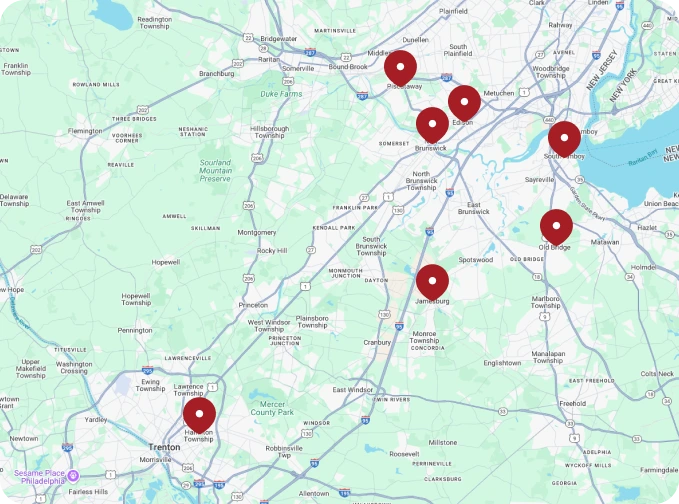


An AC tune-up in New Brunswick, NJ is a proactive service that cleans, tests, and tunes your system to improve comfort, energy efficiency, and reliability. The visit covers filter and air handler care, coil cleaning, refrigerant checks, electrical safety, thermostat calibration, lubrication, airflow and delta-T testing, drain inspection, and a detailed performance report with recommendations. By identifying issues early—such as dirty coils, low refrigerant, or failing capacitors—the tune-up reduces emergency repairs, extends equipment life, and maintains indoor air quality. A clear service summary helps plan next steps.
.jpg)
AC Tune Up in New Brunswick, NJ
Keeping your air conditioner running reliably through New Brunswick’s hot, humid summers starts with a professional AC tune up. A thorough tune up improves comfort, lowers energy use, extends equipment life, and reduces the chance of a mid‑season breakdown. For homes near Rutgers University, older properties in the city, or residences along the Raritan River, seasonal humidity, pollen, and high occupant use can put extra strain on cooling systems—making an annual pre‑summer tune up especially important.
What an AC Tune Up Includes
A complete AC tune up covers inspections, cleaning, testing, and small adjustments. Typical components include:
- Filter and air handler inspection and cleaning
Replace or clean the air filter, inspect the return and supply grilles, and check the air handler for dust buildup. A clean filter restores proper airflow and protects indoor air quality. - Evaporator and condenser coil cleaning
Dirt on coils reduces heat transfer, causing longer runtimes and higher energy use. Technicians remove debris and clean coils to restore efficiency and prevent freeze‑ups. - Refrigerant level and pressure checks
Proper refrigerant charge is critical for cooling performance. A tune up measures pressures and temperatures to confirm the system is operating within spec and flags potential leaks. - Electrical and safety inspections
Tighten electrical connections, test capacitors and contactors, and verify safety controls. Faulty electrical components are a common cause of failures and can be a safety risk. - Thermostat calibration and control checks
Verify thermostat accuracy, check wiring and control signals, and ensure the system responds correctly to setpoints. - Lubrication of moving parts
Motors and bearings are lubricated where applicable to reduce wear and noisy operation. - Airflow testing and efficiency checks
Measure airflow, calculate temperature split (delta T), and run efficiency tests to identify restrictions or underperformance. - Drain line and condensate pan inspection
Clear condensate drains and inspect pans to prevent water damage and mold growth. - System performance report
A written summary of findings, readings, and recommended repairs or next steps.
Common AC Tune Up Issues in New Brunswick, NJ Homes
New Brunswick homeowners often see a predictable set of symptoms that a tune up will address:
- Poor cooling or uneven temperatures
Often caused by dirty coils, low refrigerant, or restricted airflow. Tune up cleaning and airflow testing help restore consistent comfort. - High energy bills
Reduced efficiency from dirty components or failing electrical parts raises operating costs; a tune up can often cut runtime and energy use. - System short cycling or frequent on/off cycles
Can stem from a failing capacitor, thermostat issues, or incorrect refrigerant levels. Diagnostics during a tune up identify the root cause. - Strange noises or vibrations
Loose components, worn fan motors, or failing bearings are common; lubrication and tightening typically resolve these issues or reveal necessary replacements. - Frozen evaporator coils
Caused by low airflow, dirty coils, or low refrigerant. Tune up measures airflow and refrigerant to correct the condition before serious damage occurs. - Drain clogs and indoor humidity problems
Clogs lead to condensate backups and higher indoor humidity. Cleaning the drainage system prevents water damage and mold.
The Diagnostic Process — What to Expect During Service
A professional tune up follows a consistent diagnostic flow so you know the system is tested thoroughly:
- Initial visual inspection of outdoor unit, indoor air handler, ducts, and thermostat.
- Filter replacement or cleaning to establish proper airflow baseline.
- Coil cleaning and removal of debris from condensers and evaporators.
- Electrical testing including voltage, amperage, and component condition.
- Refrigerant pressure and temperature measurements to determine charge and system health.
- Airflow and delta T testing to confirm cooling performance.
- Safety control verification including float switches, high/low pressure cutouts, and fan operation.
- Documentation of all readings, recommendations, and any parts that may need replacement.
Technicians should leave an itemized report of the work performed and the measured values so you can track system health over time.
Repairs and Solutions Often Identified During Tune Ups
A tune up is also an opportunity to catch small failures early. Common resolutions discovered during a tune up:
- Recharge or leak diagnosis if refrigerant is low; small leaks are repaired or flagged for follow up.
- Replacement of worn electrical parts such as capacitors or contactors that cause hard starts or short cycling.
- Fan motor servicing including lubrication, balancing, or replacement for noisy or inefficient operation.
- Thermostat replacement or recalibration to correct inaccurate temperature readings or erratic cycling.
- Duct sealing recommendations when restricted airflow or cooled air loss is detected.
- Cleaning or replacing condensate pans and clearing drain lines to stop backups and mold risk.
Smaller fixes are often completed during the tune up; larger repairs are documented with an estimate for transparency.
Expected Benefits and Recommended Frequency
Regular tune ups deliver measurable advantages:
- Improved comfort with faster, more even cooling.
- Lower energy consumption as systems run more efficiently.
- Fewer emergency repairs by identifying problems before failure.
- Longer equipment life through proper lubrication and maintenance.
- Better indoor air quality from clean filters and coils.
- Warranty compliance for many manufacturers that require annual maintenance.
Recommended frequency:
- At minimum once per year, ideally in spring before the high cooling demand of New Brunswick summers.
- Consider twice per year for older systems, high‑use homes, rental properties, or residences with heavy pollen/dust exposure.
- Homes near water or in areas with higher corrosion risk may benefit from more frequent inspections.
What to Expect on the Service Summary
A professional tune up report should include:
- List of services performed (filter, coil clean, tests)
- Measured pressures, temperatures, and airflow values
- Any parts replaced or recommended repairs
- Estimated remaining useful life and efficiency observations
- Safety findings and corrective actions taken
This documentation helps you make informed decisions about repairs, replacement timing, or enrolling in a maintenance plan.
A proactive AC tune up in New Brunswick, NJ brings predictable comfort and budget relief through improved efficiency and fewer breakdowns. For homes dealing with humid summers, frequent use, or older equipment, a pre‑season professional inspection is a practical investment in reliable cooling all season long.