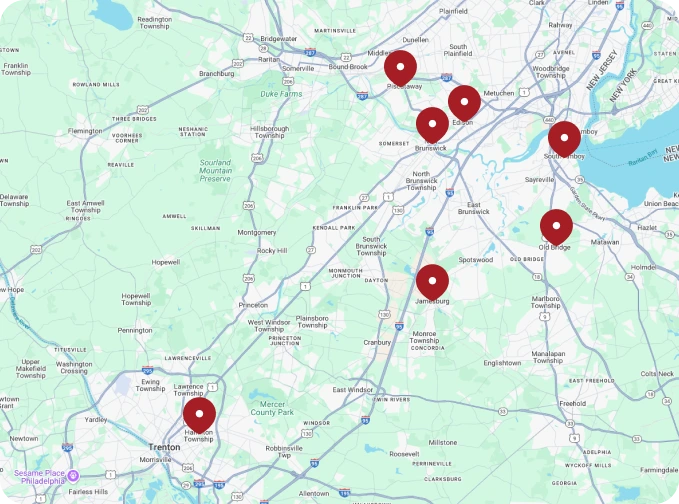


Replacing a furnace is a major decision for homeowners in Jamesburg, NJ. With cold, damp winters and older housing stock in many neighborhoods, furnace performance and reliability directly affect comfort, safety, and energy bills. This page explains when replacement is recommended instead of repair, walks through a thorough evaluation process, compares high-efficiency options, outlines the removal and installation workflow, and covers expected costs, available rebates and financing approaches, warranty considerations, and maintenance practices to maximize the life of your new unit.
.jpg)
Furnace Replacement In Jamesburg, NJ
Knowing whether to repair or replace a furnace starts with understanding age, reliability, and efficiency.
- Age: Furnaces typically last 15 to 20 years. An older unit that requires frequent repairs is often more costly over time than replacement.
- Repair frequency: Multiple repairs in a single heating season or recurring failures point toward replacement.
- Efficiency and performance: If your unit struggles to maintain temperature, cycles constantly, or increases energy usage, a higher-efficiency replacement may deliver meaningful savings.
- Safety and code compliance: Units with cracked heat exchangers, persistent carbon monoxide issues, or that no longer meet local codes should be replaced for safety reasons.
- Cost-effectiveness: When the estimated repair cost approaches a significant portion of a newer system’s value, replacement becomes the practical option.
For Jamesburg homes, where winters can be prolonged and energy costs matter, opting for replacement sooner rather than later can prevent midwinter breakdowns and improve overall comfort.
Evaluation Process
A proper furnace replacement starts with a professional, system-level evaluation that focuses on both current issues and future needs.
- Visual inspection: Check for corrosion, leaks, venting condition, and combustion chamber integrity.
- Operational testing: Measure airflow, combustion performance, thermostat responsiveness, and cycling behavior.
- Energy assessment: Review past energy usage and evaluate how a high-efficiency unit could lower consumption in Jamesburg’s winter climate.
- Load calculation: Perform a Manual J heat loss/gain calculation for accurate furnace sizing tailored to your home’s insulation, orientation, and local climate.
- Venting and fuel infrastructure review: Confirm existing gas lines, flue paths, and electrical service can accommodate replacement equipment or identify needed upgrades.
This evaluation produces a clear recommendation: repair, tune-up, or replacement, and identifies the right capacity and efficiency level for your property.
High-Efficiency Replacement Options
When replacing, homeowners should consider models that offer improved comfort and lower operating costs.
- High-efficiency gas furnaces: Condensing furnaces with secondary heat exchangers capture additional heat from exhaust gases and are suited for New Jersey winters.
- Modulating and variable-speed burners: These systems adjust output to match demand, reducing short cycling and improving comfort in well-insulated Jamesburg homes.
- Two-stage units: Offer a balance between cost and performance with improved efficiency during milder conditions and higher capacity for peak cold.
- Electric and heat pump alternatives: For homes without natural gas or for homeowners prioritizing electrification, high-efficiency heat pumps (often paired with supplemental heating) can be an option depending on winter performance needs.
Selecting the right system balances upfront efficiency, expected energy savings in Jamesburg’s climate, installation complexity, and long-term durability.
Removal and Installation Workflow
A straightforward, code-compliant installation protects safety and performance.
- Preparation: Secure permits as required by local building codes and ensure fuel and electrical services are properly shut down.
- Old unit removal: Safely disconnect fuel, electrical, and venting connections; remove the old furnace and dispose of it per local regulations.
- Site preparation: Inspect and, if necessary, upgrade ductwork, condensate management, venting, and gas piping to match the new unit’s specifications.
- New unit installation: Position and secure the furnace, complete gas and electrical connections, install venting or flue systems, and set up control interfaces or thermostats.
- Commissioning: Perform combustion testing, airflow balancing, safety checks, and system calibration. Demonstrate basic operation and controls.
- Documentation: Provide equipment specifications, warranty papers, and a maintenance schedule for the homeowner’s records.
Following a clear workflow ensures the new system operates safely and efficiently in Jamesburg’s seasonal conditions.
Expected Costs
Rather than focusing on exact numbers, homeowners should understand the factors that determine overall cost:
- Equipment quality and efficiency rating: Higher-efficiency and modulating units cost more upfront but reduce operating costs.
- Unit size and complexity: Properly sized equipment and additions like new ductwork or upgraded venting increase total expense.
- Fuel source and infrastructure work: Homes needing gas line upgrades or electrical modifications will have additional charges.
- Labor and permits: Professional installation, code compliance, and local permit fees vary regionally.
- Disposal and accessory items: Removal of the existing unit, thermostat upgrades, and condensate handling are additional line items.
Considering these factors helps Jamesburg homeowners evaluate proposals and compare long-term value rather than only upfront price.
Rebates and Financing Options
Energy efficiency programs and financing can make replacement more affordable.
- Local and state incentives: New Jersey and local municipalities often provide rebates or incentives for high-efficiency heating equipment and electrification measures.
- Utility programs: Energy companies may offer rebates or performance-based incentives for qualifying systems.
- Manufacturer incentives and extended warranties: Some manufacturers support efficiency upgrades with promotional offers or bundled warranty options.
- Financing solutions: Home improvement loans, energy-efficiency financing, or equipment-specific programs can spread costs over time and may be available through lenders or program administrators.
Reviewing eligibility for local Jamesburg and New Jersey programs helps maximize savings. Always verify current program availability and terms before committing.
Warranty Details
Warranty coverage protects your investment but varies by component.
- Manufacturer’s warranty: Typically covers heat exchangers, parts, and sometimes labor for a defined period. Higher-efficiency models may include longer parts coverage.
- Labor warranty: Some installations include a limited labor warranty from the installer; verify what work is covered and for how long.
- Components and aftermarket parts: Thermostats, controls, and aftermarket accessories may have separate warranties.
- Registration and maintenance requirements: Many warranties require timely registration and regular maintenance to remain valid.
Carefully review warranty terms, required service intervals, and any exclusions to understand long-term protection.
Maintenance to Maximize Longevity
Routine care keeps a new furnace efficient and reliable through Jamesburg winters.
- Annual professional tune-up: Includes combustion testing, filter checks, burner cleaning, and safety inspections.
- Regular filter replacement: Replace filters per manufacturer recommendations to protect components and maintain airflow.
- Keep vents and returns clear: Ensure furniture and drapes do not obstruct airflow.
- Monitor performance: Note unusual noises, odor, or performance changes and address them early.
- Maintain controls and thermostats: Calibrate or upgrade thermostats to optimize system cycling and comfort.
Consistent maintenance extends lifespan, preserves efficiency, and helps protect warranty coverage.
Conclusion
Furnace Replacement In Jamesburg, NJ is a practical investment when systems become unreliable, inefficient, or unsafe. A thorough evaluation, careful equipment selection tailored to local climate needs, code-compliant removal and installation, and attention to rebates, warranties, and maintenance will deliver dependable comfort and predictable energy costs through New Jersey winters.