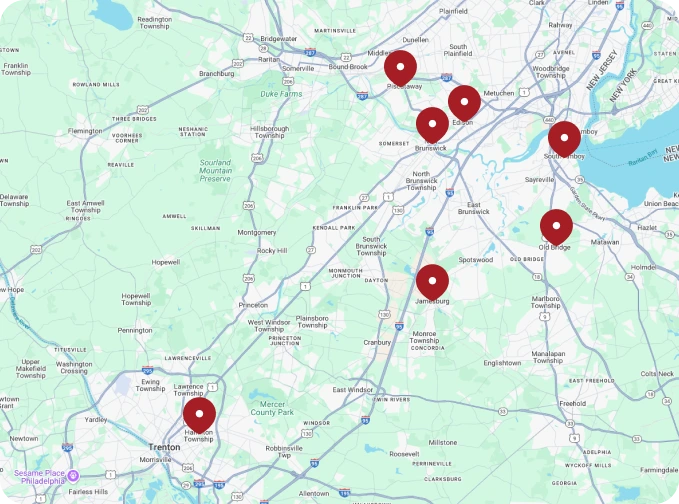


Jamesburg heating repair services are described in detail, outlining common failures, diagnostic steps, and practical repair options for gas furnaces, boilers, heat pumps, and ductless systems. The guide explains symptoms such as uneven heat, no heat, short cycling, unusual noises, leaks, and odors, with local climate considerations for corrosion. It covers transparent pricing, emergency timelines, warranty terms, and the decision framework for repair versus replacement, alongside ongoing maintenance practices that extend system life and improve safety and efficiency.
.jpg)
Heating Repair In Jamesburg, NJ
Reliable heating repair in Jamesburg, NJ keeps your home safe and comfortable through cold, humid New Jersey winters and occasional nor'easters. Whether you have a gas furnace, hot water boiler, heat pump, or ductless system, understanding common failures, diagnostic steps, repair options, expected timelines, pricing transparency, and warranty coverage helps you make an informed decision when service is required.
Common heating system failures and symptoms in Jamesburg homes
Local climate and housing stock influence the types of failures homeowners see. Typical symptoms to watch for include:
- Uneven or insufficient heat throughout the house, often signaling duct, blower, or zone-control problems.
- No heat or intermittent heating, commonly caused by failed igniters, pilot light issues, control board faults, or thermostat failures.
- Frequent cycling or short cycling, which can indicate a clogged air filter, improper airflow, or oversized equipment.
- Strange noises such as rattling, banging, or hissing, pointing to loose components, delayed ignition, or pressure issues in boilers.
- Increased energy bills with no change in use, suggesting declining efficiency from aging equipment, heat exchanger deterioration, or refrigerant leaks in heat pumps.
- Visible leaks, corrosion, or water around boilers and furnaces, requiring immediate attention to prevent damage.
- Odors of burning or the smell of gas, which require immediate safety protocols and professional inspection for carbon monoxide or gas leaks.
In Jamesburg, road salt, coastal humidity, and freeze-thaw cycles can accelerate corrosion on outdoor heat pump components and condensing units, increasing the risk of condenser or compressor failures.
Diagnostic procedures: what a professional will do
A thorough diagnostic ensures repairs are targeted and cost-effective. Expect the following steps:
- System history review and symptom interview to understand frequency and triggers.
- Visual and safety inspection, including combustion chamber, flue or venting, and immediate leak or fire hazards.
- Thermostat and control checks to verify correct signals and programming.
- Electrical testing of capacitors, relays, transformers, and wiring for faults.
- Fuel delivery checks for gas systems, including pressure and valve operation.
- Airflow assessment across filters, ductwork, fans, and heat exchangers.
- Component-specific tests, such as ignition and flame sensors for furnaces, pump operation for boilers, and refrigerant checks for heat pumps.
- Performance metrics gathering, including temperature differentials, airflow measurements, and CO testing where combustion is involved.
Technicians document findings and provide an itemized diagnosis with recommended repairs or options.
Typical repairs and part replacements
Common repair solutions address both symptoms and root causes:
- Igniter or pilot assembly replacement for gas furnaces.
- Flame sensor cleaning or replacement to correct shutdowns.
- Control board or thermostat replacement when electronics fail.
- Blower motor, belt, or capacitor replacement to restore airflow.
- Heat exchanger inspection and, if cracked, replacement or system evaluation for safety-related replacement.
- Circulator pump replacement and zone valve repairs for boilers.
- Compressor, contactor, or capacitor replacement on heat pumps or central AC components.
- Refrigerant leak repair, evacuation, and recharge for heat pumps.
- Duct sealing, filter changes, and airflow balancing to solve uneven heating.
Most standard component repairs can be completed on the first visit if parts are available. For obsolete components, sourcing lead times may extend the repair process.
Estimated response and repair times; emergency repair availability
For homeowners needing prompt service, emergency heating repair in Jamesburg, NJ is commonly available:
- Initial response times: same-day service or within 24 hours for non-life-threatening heating failures during the heating season; urgent calls (no heat in freezing conditions, gas odors, or CO alarms) typically receive priority.
- Repair durations: many diagnostics and minor repairs are completed within 1 to 4 hours. Major component replacements or multi-system jobs may take 4 to 8 hours or require follow-up visits.
- Emergency service: 24/7 emergency response is standard practice for gas leaks, carbon monoxide detection, and complete heating loss during dangerously cold weather.
Always prioritize safety—if you detect gas smells or CO alarm activity, evacuate and contact emergency services before seeking repair.
Transparent pricing structure for heating repair
A clear pricing framework helps you compare options and avoid surprises:
- Diagnostic fee: covers the on-site inspection and testing. The fee is typically credited toward repair if work is approved during the same visit.
- Itemized estimate: labor, parts, permits, and any required disposal fees are listed separately so you can see exactly what you are paying for.
- Labor rates: may be quoted as flat-rate for common repairs or hourly for complex troubleshooting. Travel fees and emergency/after-hours rates should be disclosed up front.
- Parts pricing: OEM vs aftermarket options are identified along with expected service life and warranty implications.
- Permits and safety upgrades: if local codes require permits or safety modifications (common for older homes in Middlesex County), these costs are shown clearly in the estimate.
Written estimates are standard before starting non-emergency work, and approvals are recorded to ensure transparency.
Warranty on repairs
Warranty coverage protects you after service:
- Labor warranties vary but commonly range from 30 to 180 days; longer labor warranties may be offered on major component replacements.
- Parts warranties depend on manufacturer terms and can range from one year to a decade on some major components; technicians will specify what is manufacturer-covered versus service-covered.
- Warranty scope: clarify whether diagnostics, emergency call-backs, or travel fees are included within the warranty period.
- Transferability and exclusions: warranties may not transfer between homeowners and often exclude damage caused by neglect, lack of maintenance, or external factors like freezing due to inadequate heat.
Get warranty terms in writing as part of the repair documentation.
When replacement is preferable to repair
Repair is not always the most economical choice. Consider replacement if:
- The system is beyond typical service life (furnaces 15 to 20 years, boilers 15 to 30 years depending on type, heat pumps 10 to 15 years).
- Repair costs exceed a significant percentage of the replacement cost, especially when multiple major components are failing.
- The unit has recurring breakdowns or requires frequent emergency repairs.
- Efficiency has dropped significantly, resulting in rising energy bills that a new high-efficiency system would eliminate.
- Safety concerns exist, such as a cracked heat exchanger or repeated combustion problems.
Replacement can provide improved comfort, reduced operating costs, and eligibility for current efficiency incentives that may be available in New Jersey.
Ongoing maintenance and broader benefits
Timely maintenance reduces breakdown risk and extends system life. Regular tasks include annual tune-ups, filter replacement, system cleaning, and carbon monoxide testing. For Jamesburg residents, preseason inspections before winter, attention to outdoor unit clearance in heat pumps, and addressing corrosion from salt exposure can prevent expensive repairs. Well-maintained systems deliver better indoor air quality, consistent comfort, and lower utility bills.
Heating repair in Jamesburg, NJ combines quick diagnostics, transparent estimates, and skilled repairs tailored to local weather impacts and home types. Knowing symptoms, repair options, response expectations, warranty details, and replacement triggers empowers you to choose the right path for safe, efficient home heating.