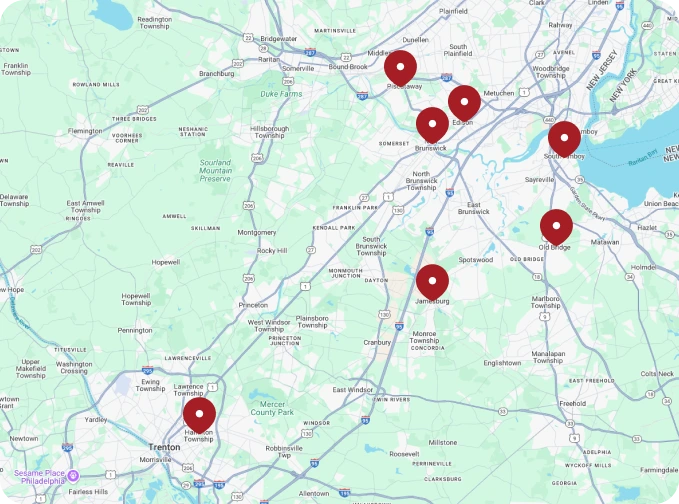


Jamesburg residents can protect comfort and safety with a professional heating tune-up. The service addresses common furnace and boiler issues, improves combustion, airflow, and thermostat performance, and reduces the risk of mid-winter outages. A comprehensive tune-up covers inspections, safety checks, system startup, and clear recommendations. Benefits include lower energy use, extended equipment life, and enhanced safety. Biannual maintenance, membership perks, predictable scheduling, and practical tips help homeowners stay ahead of cold-season demands in Jamesburg, NJ.
.jpg)
Heating Tune Up In Jamesburg, NJ
A professional heating tune up in Jamesburg, NJ keeps your furnace or boiler running safely, efficiently, and reliably when temperatures drop. Jamesburg winters bring chilly nights, occasional freeze-thaws, and high heating demand across single-family homes and older community housing. A pre-season tune up addresses the most common causes of mid-winter failures, reduces energy waste, and helps protect your family from safety risks like carbon monoxide exposure.
Why a heating tune up matters for Jamesburg homes
- Cold snaps and variable winter weather increase runtime and stress on heating equipment.
- Older furnaces and boilers common in the area are more likely to develop airflow, combustion, and control issues without regular maintenance.
- Proper commissioning before fall reduces the risk of emergency repairs during peak demand and helps systems run more quietly and efficiently.
Common heating tune up issues in Jamesburg, NJ
Technicians typically find the same recurring problems in local homes:
- Clogged air filters and restricted airflow that reduce efficiency and lead to uneven heating.
- Dirty burners or combustion chambers that cause incomplete combustion, poor efficiency, and soot buildup.
- Maladjusted or failing thermostats and controls that cause short cycling or insufficient heat.
- Worn blower motors, belts, or bearings that increase noise and energy use.
- Ignition or pilot assembly issues on gas furnaces that cause failed starts.
- Corroded or cracked heat exchangers on older units, a safety concern needing prompt attention.
- Blocked vents, flue or chimney obstructions from birds or debris affecting exhaust.
- Leaks and pressure irregularities in hydronic boilers or expansion tanks.
What technicians inspect and adjust during a tune up
A thorough heating tune up follows a consistent diagnostic and adjustment checklist tailored to the equipment type — forced-air furnaces, gas-fired boilers, or electric heating systems. Typical tasks include:
- Visual inspection
- Check cabinet, controls, wiring, venting, and surrounding clearances.
- Inspect for corrosion, leaks, rodent damage, or obvious safety hazards.
- Combustion and safety checks
- Test flame quality, pilot/ignition performance, and burner operation.
- Measure combustion efficiency where applicable and check for carbon monoxide.
- Verify safety switches, limit controls, and pressure relief devices function correctly.
- Airflow and mechanical adjustments (for forced air)
- Replace or recommend the correct air filter and check ductwork and registers.
- Lubricate motors and bearings, inspect blower assembly, and adjust belts.
- Verify blower speed and fan operation to restore designed airflow.
- Boiler-specific procedures
- Check boiler pressure, expansion tank, circulator pump, and relief valves.
- Flush condensate or sediment where necessary and verify thermostat calibration.
- Controls and thermostat
- Test and calibrate thermostats and programmable schedules.
- Confirm zone valves and dampers operate correctly.
- System startup and performance testing
- Cycle the system through full operation, observing for unusual sounds, leaks, or vibrations.
- Provide a clear report of findings and recommended repairs or parts.
Benefits of biannual tune ups
- Improved energy efficiency and lower monthly fuel bills through clean combustion and optimal airflow.
- Increased reliability during prolonged cold spells by catching wear before failures occur.
- Extended equipment life by reducing strain on components and maintaining proper operation.
- Enhanced safety through combustion checks and carbon monoxide screening.
- Better indoor comfort with more consistent temperatures and fewer cold spots.
- Preservation of warranties that require regular professional maintenance.
Technicians often recommend a biannual approach: one pre-season check in fall focused on heating readiness, and another in spring for any system adjustments or to prepare cooling equipment if paired with the home HVAC system.
Membership perks and discounts for ongoing maintenance
Membership programs built around biannual tune ups deliver predictable maintenance and additional homeowner benefits. Common membership features include:
- Two scheduled tune ups per year included or discounted, typically covering fall heating and spring cooling transition.
- Priority scheduling during high-demand periods like the first cold snaps of the season.
- Reduced diagnostic fees or waived trip charges for members when repairs are needed.
- Discounted parts and labor for covered repairs.
- Annual safety inspection reports and documentation helpful for home resale or warranty compliance.
- Emergency service priority and streamlined authorization for common repairs.
Members in Jamesburg benefit from priority access during local weather events that spike service demand, helping avoid long wait times when the first cold fronts arrive.
Typical repairs identified during a tune up and simple solutions
- Dirty filter or restricted return: Replace filter and clear returns to restore airflow.
- Faulty thermostat or calibration drift: Recalibrate or replace thermostat for accurate control.
- Incomplete combustion or sooted burners: Clean burners and adjust fuel-air mixture to improve efficiency.
- Worn blower motor or bearings: Lubricate or replace motor components to eliminate noise and restore flow.
- Cracked heat exchanger or major safety issue: Identify urgent replacement needs and explain risks if left unaddressed.
- Leaking boiler components or pressure issues: Repair or replace valves, seals, and check expansion devices to return safe operation.
Technicians will always explain repair urgency and the cost-benefit of repair versus replacement in plain language, helping homeowners make informed decisions.
Scheduling a pre-season service appointment
Pre-season scheduling helps ensure your heating system is inspected and tuned before sustained cold arrives. For Jamesburg, plan to arrange service in September or October, when technicians are less likely to be booked and before Nor'easter season. When you arrange a tune up, expect:
- A 30 to 90 minute visit depending on system complexity and findings.
- A written or emailed checklist of inspections performed and any recommended follow-up work.
- Clear notes on safety checks, combustion results (where applicable), and filter or part recommendations.
Members typically enjoy easier scheduling and priority slots during pre-season windows, reducing the risk of last-minute emergency calls.
Maintenance tips between tune ups
- Replace disposable filters every 1 to 3 months in high-use periods.
- Keep vents and returns unobstructed and maintain attic or basement access panels clean.
- Test carbon monoxide detectors monthly and replace batteries annually.
- Monitor unusual noises, odors, or performance changes and document when they start to provide useful clues to technicians.
A professional heating tune up in Jamesburg, NJ is a practical investment in safety, efficiency, and peace of mind. Regular maintenance tailored to local weather patterns and housing stock helps avoid mid-winter disruptions and keeps your heating system performing at its best.