

Furnace repair services in Old Bridge, NJ cover common symptoms, diagnostics, and repair options to restore heat efficiently. The page outlines typical issues like no heat, unusual noises, ignition problems, and uneven heating, plus a structured diagnostic process from safety checks to airflow assessment and electrical testing. It explains common repair solutions, emergency responses, parts and labor policies, timelines, warranty expectations, and preventive maintenance steps designed to extend equipment life and reduce failures in the harsh New Jersey winter.
Furnace Repair In Old Bridge, NJ
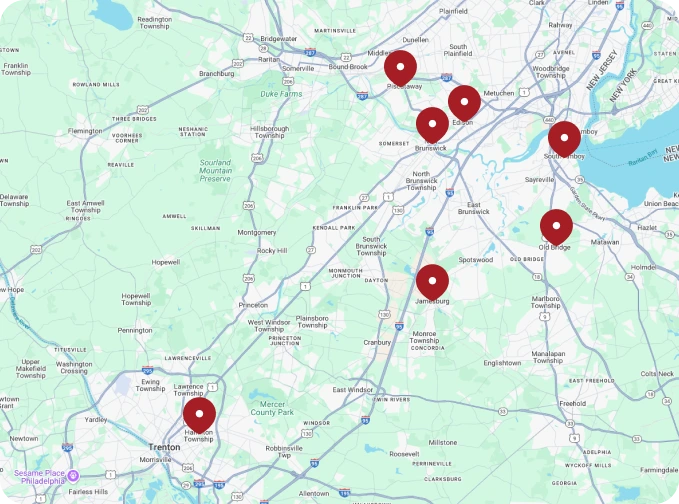
Keeping a reliable furnace is essential for Old Bridge homes, where cold winters, occasional Nor’easters, and wide temperature swings put heating systems under steady strain. This page explains diagnostic and furnace repair services specific to Old Bridge, NJ: common symptoms, the troubleshooting and repair process, emergency response options, parts and labor policies, typical timelines, warranty expectations, and what to expect when arranging service.
Why timely furnace repair matters in Old Bridge, NJ
Old Bridge experiences prolonged heating seasons and sporadic cold snaps that drive heavy furnace use. Small issues left unaddressed can escalate quickly into complete failures during peak demand. Prompt diagnosis and repair restore comfort, reduce energy waste, and avoid safety risks like carbon monoxide exposure or gas leaks. For older homes in the township, aging ducts and legacy equipment often create additional diagnostic complexity.
Common furnace problems homeowners in Old Bridge see
- No heat or intermittent heat — unit runs but produces no warm air, or heat cycles off quickly.
- Strange noises — banging, grinding, rattling, or high-pitched squeals from the burner chamber, blower, or ductwork.
- Ignition or pilot issues — failure to light, repeated attempts to ignite, or a weak pilot flame on older models.
- Frequent cycling or short cycling — furnace turns on and off too rapidly, indicating airflow, thermostat, or control problems.
- Uneven heating — rooms heat inconsistently due to duct leaks, blower issues, or zone control failures.
- Foul or burning smells — lingering burning odors on startup can indicate dust burning off, an electrical issue, or an overheated motor; a smell of gas requires immediate safety steps.
- Poor airflow or weak blower performance — reduced airflow can signal clogged filters, failing blower motors, or obstructed return vents.
- High energy use — sudden spikes in heating bills suggest reduced efficiency from a failing component or improper combustion.
How diagnostics work: what technicians check
A systematic diagnostic process identifies the root cause before any repair is recommended. Typical diagnostic steps:
- Safety and visual inspection — look for gas odors, soot, rust, flame color, and external damage.
- Thermostat and controls check — verify setpoints, wiring, and communication with the furnace.
- Combustion and ignition testing — observe ignition sequence, flame sensor behavior, and gas valve operation.
- Airflow and duct assessment — evaluate filter condition, blower amp draw, and duct leakage or blockages.
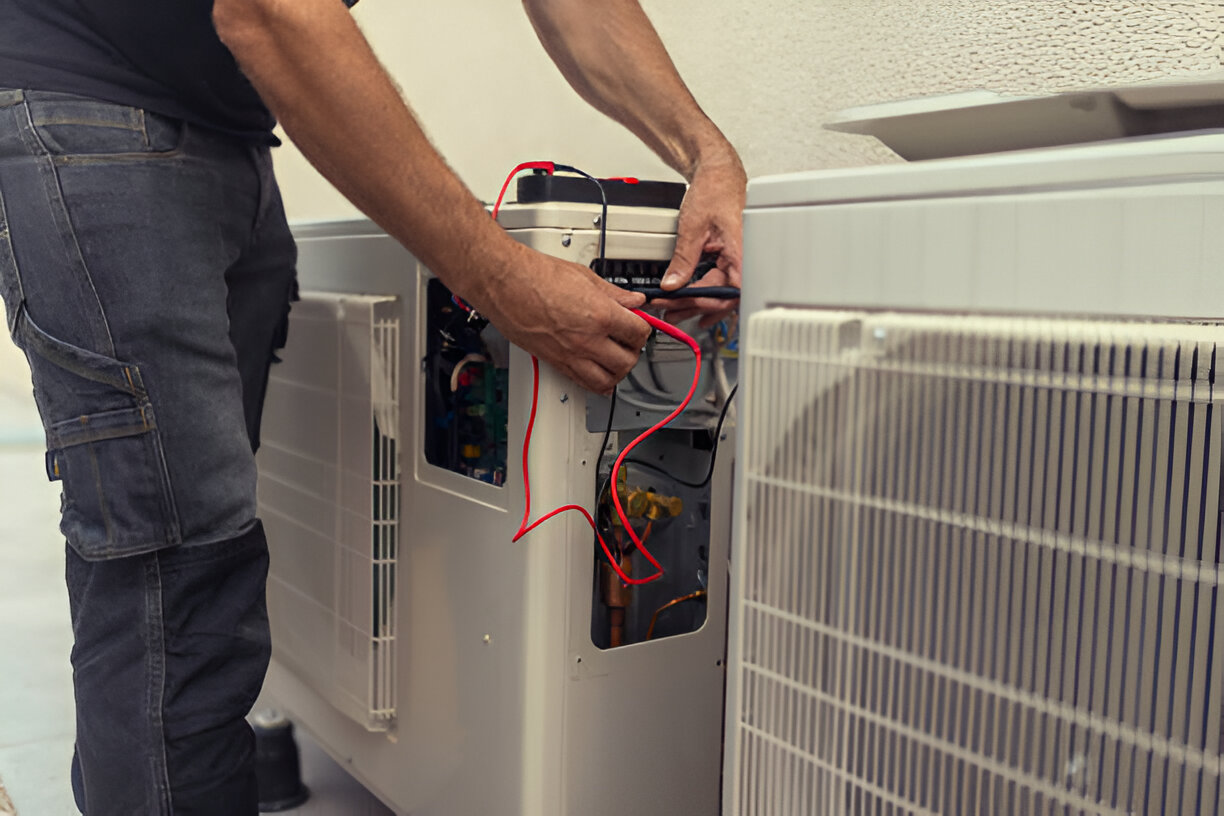
- Electrical and mechanical testing — test capacitors, motors, limit switches, belts, and control boards for faults.
- System performance verification — measure supply and return temperatures, run cycles, and safety device operation.
These steps reduce guesswork, ensure safety, and produce a prioritized list of recommended repairs.
Typical repairs and solutions
- Filter replacement and airflow cleaning — resolves many performance and efficiency complaints.
- Ignition, pilot, and flame sensor replacement or cleaning — frequent causes of no-heat calls.
- Blower motor repair or replacement — fixes weak airflow, noise, and electrical issues.
- Control board or relay repairs — addresses intermittent operation and failed fans or burners.
- Heat exchanger inspection and repair — cracked exchangers are serious and often require careful evaluation for safety; replacement may be recommended.
- Duct sealing and balancing — improves even heating and reduces wasted energy.
- Safety device replacement — thermostats, limit switches, and pressure switches restored to safe operation.
Repairs prioritize safety, system longevity, and energy efficiency. When multiple options exist, technicians will typically explain trade-offs, such as repair now versus planned replacement later.
Emergency response options and safety guidance
Old Bridge's winter demand creates a need for predictable emergency options. Emergency response services often include:
- After-hours and weekend dispatching with prioritized arrival windows during cold spells.
- Safety triage over the phone to determine immediate risks (for example, suspected gas leaks or carbon monoxide).
- Temporary measures to restore heat or isolate hazards until full repairs are completed.
Safety note: if you suspect a gas leak or detect a strong gas odor, leave the building immediately and contact emergency responders and your gas utility. For suspected carbon monoxide exposure, get to fresh air and seek emergency medical help. These are safety protocols rather than service scheduling instructions.
Parts, labor policies, and transparency
Standard parts and labor policies for furnace repair in the region generally include:
- Clear diagnostic findings before any parts are ordered or labor performed beyond an agreed scope.
- Use of OEM or equivalent replacement parts with disclosures about compatibility and longevity.
- Labor warranties that cover workmanship for a specified period after the repair.
- Replacement parts warranties aligned with manufacturer terms; periods vary depending on the component and maker.
- Written estimates and authorization for any work beyond the initial diagnostic scope so homeowners know what is being done and why.
These policies reduce surprises and provide recourse if a repair does not resolve the issue.
Timelines and what to expect
- Diagnostics — most in-home diagnostics are completed within one visit, typically the same day as arrival unless specialized testing is needed.
- Minor repairs — many common repairs (filters, sensors, ignition components, capacitor or relay swaps) are completed the same day.
- Major repairs — tasks such as heat exchanger replacement, major blower motor swaps, or control board replacements can require parts ordering and may take additional visits.
- Emergency situations — temporary fixes or safety isolations are commonly performed at first response, with full repair scheduled as soon as parts and technicians are available.
Timeframes depend on equipment age, parts availability, and the complexity of the failure.
Warranty expectations after repair
Expect two layers of warranty coverage:
- Parts warranty — typically covers the new component per the manufacturer’s specified period. Coverage length varies by part and manufacturer.
- Labor warranty — workmanship warranties vary across providers; common labor warranty periods range from short-term coverage for repairs up to extended coverage for larger jobs.
Request and review warranty details for any repair so you understand what is covered and how claims are handled.
Preventive maintenance to avoid repeat repairs
Regular maintenance in Old Bridge helps prevent midwinter failures:
- Replace filters seasonally or as recommended.
- Schedule annual heating tune-ups before the heating season to catch wear, clean burners, and verify safe combustion.
- Keep vents and returns unobstructed and maintain adequate clearance around the furnace.
- Monitor carbon monoxide detectors and change batteries per manufacturer guidance.
Routine maintenance extends equipment life, improves safety, and reduces emergency repair likelihood.
Final considerations
When evaluating furnace repair options in Old Bridge, NJ, prioritize clear diagnostics, documented recommendations, transparent parts and labor policies, and appropriate warranty coverage. Timely attention to symptoms like no heat, strange noises, or ignition failures protects comfort, safety, and household budget across the long New Jersey heating season.