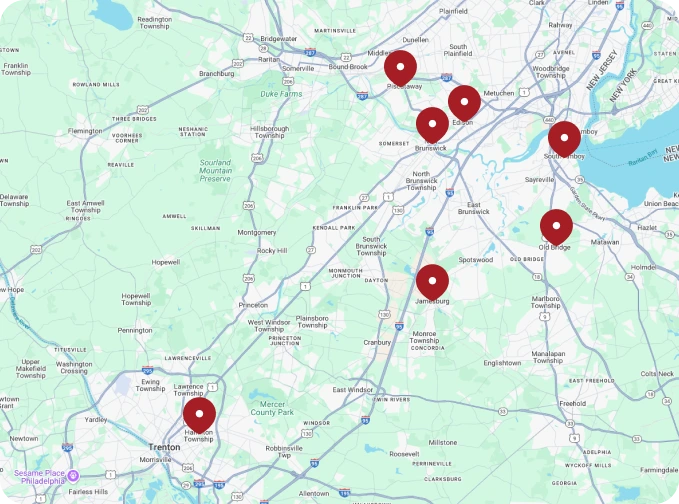


Furnace service in Old Bridge, NJ focuses on keeping heating systems safe, efficient, and reliable through comprehensive inspections, minor repairs, filter changes, and performance tuning. The page explains why timely service matters in cold Old Bridge winters, outlines common furnace issues, and details what a standard service visit includes—from safety checks and ignition inspection to venting evaluation and belt replacements. It also covers minor repairs performed during visits, maintenance plans, after-service expectations, and tips for homeowner upkeep to extend furnace life.
.jpg)
Furnace Service In Old Bridge, NJ
Reliable furnace performance is essential for Old Bridge homes where cold winters make a working heating system non negotiable. Professional furnace service in Old Bridge, NJ focuses on keeping your system safe, efficient, and dependable through inspections, minor repairs, filter changes, performance optimization, and safety checks. Well-executed service prevents unexpected breakdowns during peak demand, reduces energy waste, and extends the life of your furnace.
Why timely furnace service matters in Old Bridge, NJ
Old Bridge experiences hard heating seasons that put sustained stress on furnaces. Temperature swings and prolonged runtime increase component wear and raise the risk of:
- Reduced efficiency and higher energy bills
- Premature component failure
- Safety hazards such as carbon monoxide leaks or blocked venting
- Uneven heating and poor indoor comfort
Routine furnace service addresses these risks before they become urgent problems. In this community, where older housing stock is common, professional inspections also help identify issues caused by aging systems or deferred maintenance.
Common furnace issues in Old Bridge homes
Understanding typical problems helps homeowners recognize when to schedule service. Common furnace issues include:
- Weak or no heat due to ignition or fuel delivery problems
- Short cycling caused by clogged filters, thermostat issues, or dirty flame sensors
- Unusual noises from loose components, failing motors, or collapsed ductwork
- High energy use from inefficient burners, dirty heat exchangers, or poor airflow
- Safety concerns such as yellow pilot flames, cracked heat exchangers, or blocked flues
- Air quality problems related to dirty filters or duct contamination
What a standard furnace service visit includes
A comprehensive service visit inspects safety, performance, and reliability. Typical elements include:
- Visual inspection of the furnace cabinet and surrounding area for leaks, pests, or obstructions
- Filter assessment and replacement or recommendation for upgraded filtration
- Thermostat check and calibration to ensure accurate temperature control
- Ignition system evaluation (pilot, hot surface igniter, or electronic ignition) and cleaning
- Burner and combustion inspection to verify proper flame color and fuel combustion
- Heat exchanger inspection for visible cracks or corrosion that could cause carbon monoxide leakage
- Venting and flue evaluation to confirm proper draft and clear exhaust paths
- Blower motor and fan inspection, lubrication where applicable, and belt checks
- Electrical connection tightening and control system tests
- Carbon monoxide check and safety device verification
These steps identify minor repairs that can be handled during the visit and flag more serious issues that need follow-up.
Typical minor repairs performed during service
When technicians arrive during a routine visit, many common fixes can be completed immediately to restore safe operation:
- Replacing or cleaning air filters to restore airflow
- Cleaning flame sensors and burners to improve ignition reliability
- Replacing faulty thermostats, pilot assemblies, or igniters
- Tightening or replacing loose wiring and electrical connectors
- Replacing worn blower belts or lubricating motor bearings
- Adjusting gas valves and pilot settings for correct combustion
- Resetting limit switches and checking safety interlocks
Addressing these small issues during a service visit reduces the likelihood of emergency failures in the coldest months.
Performance optimization and efficiency improvements
Beyond repairs, furnace service should improve system efficiency and comfort. Optimization tasks include:
- Calibrating the burner and gas pressure for complete combustion and lower fuel use
- Balancing airflow and advising on duct sealing or insulation improvements
- Testing and programming thermostats for setback schedules and more efficient operation
- Recommending high-efficiency filters or zoning solutions for better comfort distribution
- Cleaning heat exchangers and blower assemblies to restore original output
These measures help lower operating costs and improve steady, even heating throughout the home.
Safety checks and carbon monoxide awareness
Safety is a top priority for furnace service in Old Bridge, NJ. Technicians perform targeted checks to reduce risks:
- Carbon monoxide testing at the furnace and recommended placement checks for detectors in the home
- Inspection of the heat exchanger for cracks that could allow combustion gases into living spaces
- Verification of proper venting and draft to prevent exhaust buildup
- Gas leak detection and shutoff system checks for natural gas appliances
- Testing of safety switches, limit controls, and emergency shutdown features
Early detection of safety issues prevents hazardous situations and provides peace of mind during long heating seasons.
How service visits tie into maintenance plans and priority scheduling
Regular furnace service is most effective as part of a planned maintenance program. A maintenance plan typically includes:
- Annual or biannual scheduled inspections timed before peak heating demand
- Priority scheduling for plan members to minimize wait times during cold snaps
- Maintenance reminders and record keeping to track service history and warranty compliance
- Documentation of work performed and recommendations for future repairs or upgrades
- Seasonal tune up visits that focus on combustion, airflow, and safety systems
Joining a maintenance plan ensures consistent care, which improves reliability and often extends the useful life of the furnace.
What to expect after service and practical homeowner tips
After professional furnace service, you should notice steadier heat, fewer cycling issues, and potentially lower energy bills. To keep your system performing:
- Replace or clean filters monthly to quarterly depending on filter type and household conditions
- Keep return vents and supply registers clear of furniture and curtains
- Maintain clearances around the furnace and check the area for dust, debris, or pests
- Test carbon monoxide detectors monthly and replace batteries annually
- Schedule inspection before the start of the heating season to catch issues early
Routine homeowner practices combined with professional service reduce emergency repairs and maintain safe operation.
Final considerations for furnace owners in Old Bridge, NJ
Furnace service in Old Bridge, NJ is not just a tune up. It is a safety check, an efficiency upgrade, and an investment in system longevity. Regular inspections, prompt minor repairs, thoughtful performance optimization, and enrollment in a maintenance plan with priority scheduling reduce risk and ensure dependable heat when cold weather arrives. For homeowners who rely on their furnace through New Jersey winters, consistent professional service is the best way to protect comfort, safety, and long term heating costs.