

Heating maintenance in Old Bridge, NJ offers proactive care to prevent breakdowns, improve efficiency, and safeguard indoor comfort during harsh winters. This page outlines common issues, two annual precision tune-ups, and a transparent diagnostic process that identifies current problems and anticipates future failures. It also details typical repairs after inspection, homeowner maintenance intervals, and the safety benefits of regular carbon monoxide testing. By following the recommended plan, homeowners can extend equipment life and reduce unexpected outages.
Heating Maintenance In Old Bridge, NJ
Keeping your heating system well maintained is essential for comfort, safety, and predictable utility costs in Old Bridge, NJ. With cold winters, occasional coastal humidity, and an older housing stock in many neighborhoods, furnaces, boilers, and heat pumps experience heavier seasonal wear than in milder climates. Professional heating maintenance in Old Bridge, NJ focuses on preventing breakdowns during critical cold snaps, improving efficiency, and reducing the risk of safety hazards like carbon monoxide exposure.
Common heating maintenance issues in Old Bridge, NJ
Homeowners in Old Bridge typically face a predictable set of problems that proper maintenance can prevent or catch early:
- Poor airflow from dirty filters, clogged vents, or restricted ductwork that reduces comfort and increases run time
- Decreased efficiency from soiled burners, fouled heat exchangers, or uncalibrated thermostats that drive up energy bills
- Corrosion and premature wear on outdoor components from winter road salt and humid coastal air, especially for heat pumps and venting systems
- Frequent short cycling or ignition failures due to weak motors, failing capacitors, or ignition controls
- Safety risks such as cracked heat exchangers, blocked flues, or improper combustion leading to carbon monoxide concerns in tightly sealed Old Bridge homes
Addressing these issues during scheduled maintenance reduces emergency repairs and keeps systems operating safely and efficiently.
What two annual precision tune-ups include
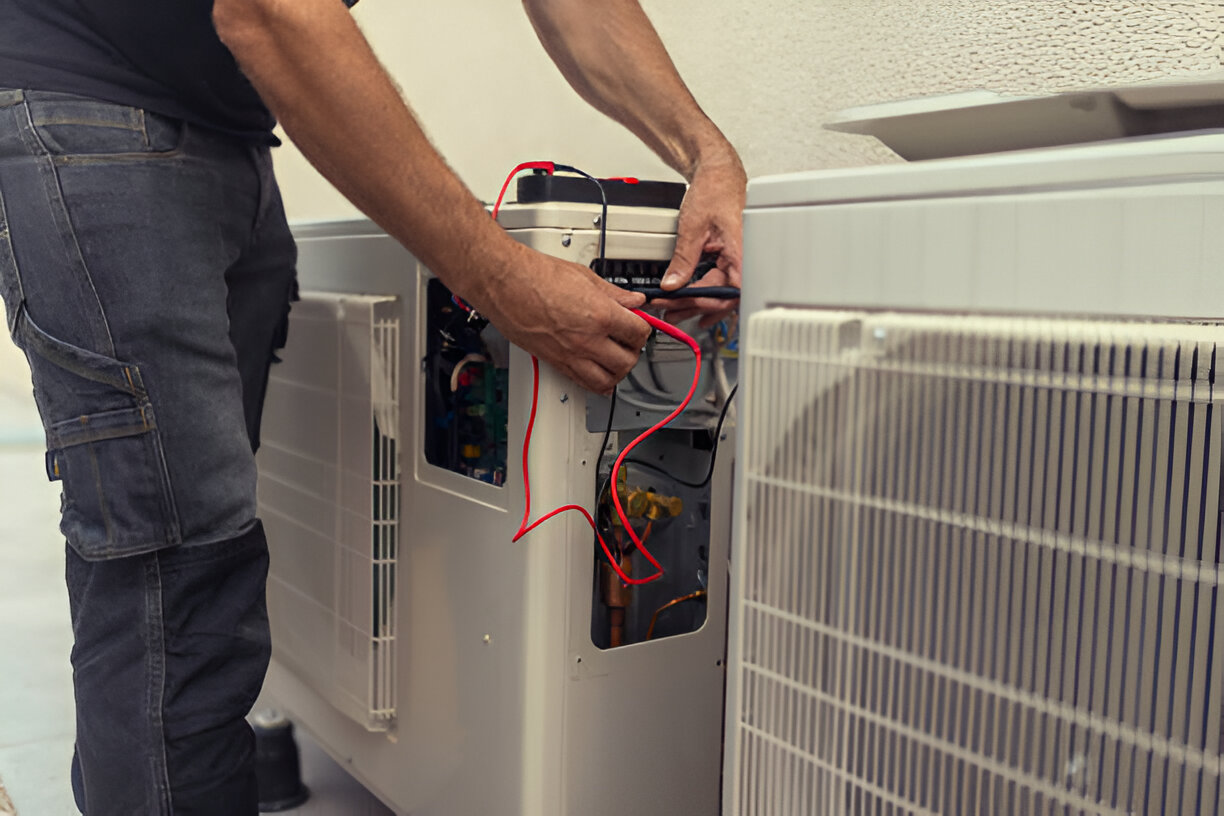
A comprehensive maintenance plan for heating in Old Bridge usually features two precision tune-ups each year: one before the heating season and a mid-season check. Each tune-up includes systematic safety, performance, and efficiency checks. Typical items covered:
- Visual inspection of the entire heating system and combustion area
- Carbon monoxide test and combustion analysis for gas or oil systems to verify safe operation
- Heat exchanger inspection for cracks or corrosion for furnaces and boilers
- Burner and pilot assembly cleaning and adjustment to ensure complete combustion
- Ignition system testing and flame sensor cleaning or replacement if needed
- Blower motor, fan wheel, and belt inspection, lubrication, and balance checks
- Filter inspection and replacement recommendations; assuring proper airflow
- Thermostat calibration and control diagnostics for accurate temperature control
- Flue, venting, and chimney inspection to confirm clear exhaust paths
- Safety control and limit testing to ensure automatic shutdowns operate correctly
- For heat pumps: refrigerant level check, reversing valve operation, and defrost cycle inspection
- Electrical checks including voltage, connection tightness, and relay testing
These tune-ups focus on both safety and efficiency so your system runs reliably through Old Bridge winters.
Diagnostic process and transparent reporting
A professional heating maintenance visit follows a logical diagnostic process designed to identify current problems and anticipate future failures. Technicians will:
- Review system history and any recent symptoms you noticed
- Run safety scans and carbon monoxide checks before deeper service work
- Measure system performance metrics such as combustion efficiency, airflow, and temperature differentials
- Inspect wearable components and document items nearing end of life
- Provide a clear, prioritized list of recommended repairs or replacements and explain why each is necessary
Reports are written in plain language so you understand the risk, expected benefit, and timing of recommended actions.
Typical repairs and solutions recommended after inspection
After a tune-up, common corrective measures include:
- Replacing air filters, belts, or failed capacitors to restore proper operation
- Cleaning or replacing flame sensors, burners, or ignition components to eliminate startup issues
- Sealing or insulating duct leaks to improve airflow and reduce heat loss in older Old Bridge homes
- Treating or replacing rusted venting and flue components affected by coastal moisture
- Rebalancing airflow, tuning burner settings, or adjusting thermostats to optimize efficiency
Most solutions are straightforward fixes that prevent more expensive failures later and extend equipment life.
Recommended maintenance intervals and homeowner checklist
To keep systems operating reliably in Old Bridge, follow these intervals:
- Professional precision tune-ups: two times per year (pre-season and mid-season)
- Air filter checks: monthly during heavy use; replace as needed (every 1 to 3 months typically)
- Duct inspection and cleaning: every 1 to 3 years depending on indoor air quality and pets
- Carbon monoxide detector checks: monthly; replace batteries annually and replace units per manufacturer guidance
- Outdoor unit inspections (heat pump): spring and fall, and after major storms for debris and corrosion
Simple homeowner actions between professional visits: change filters, keep vents unblocked, clear debris from outdoor units, and monitor for unusual noises, odors, or cycling.
Savings and reliability benefits of enrolling in a maintenance plan
Enrolling in a routine maintenance plan that provides two precision tune-ups per year delivers measurable benefits for Old Bridge homeowners:
- Improved efficiency and lower energy use from properly tuned burners, clean heat exchangers, and optimized airflow
- Fewer emergency repairs and shorter response times because technicians catch wear before it becomes failure
- Longer equipment life by addressing small issues early and maintaining proper operating conditions
- Increased home safety thanks to regular carbon monoxide and venting inspections
- Greater system reliability during extended cold snaps and winter storms when heating demand and outage risk are highest
Regular maintenance converts uncertain, high-risk winter heating into predictable, safe operation and steady budget planning.
Final notes on maintenance strategy for Old Bridge homes
Given Old Bridge climate patterns—cold winters, coastal humidity, and the occasional severe storm—prioritizing heating maintenance is not just about comfort; it is about safety and resilience. A two-tune-up plan ensures systems are inspected before heavy use and rechecked mid-season, catching seasonal issues caused by moisture, salt exposure, or fluctuating power. Combine professional tune-ups with simple monthly filter checks and you will maintain efficient heating, reduce repair risk, and help your equipment last longer in Old Bridge, NJ.