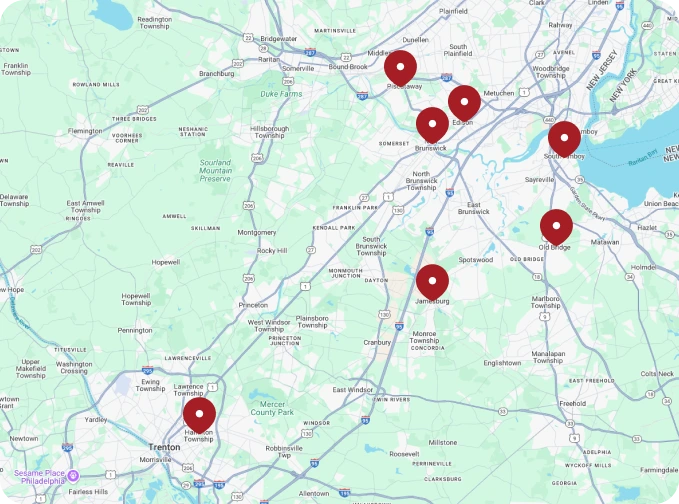


A professional heating tune up in Old Bridge, NJ keeps your home comfortable, reduces energy costs, and prevents winter breakdowns when you need heat the most. With cold winters, occasional nor'easters, and many homes running older furnaces or heat pumps, routine tune ups are an essential part of responsible homeownership in Old Bridge. This page explains what a tune up includes, common issues we find in the area, the maintenance steps technicians perform, the measurable benefits of regular service, membership and promotional options you can expect, and practical instructions for scheduling seasonal service.
.jpg)
Heating Tune Up In Old Bridge, NJ
Old Bridge sees long heating seasons and high heating demand during cold snaps. That increases wear on burners, blowers, and controls. Salt air and coastal humidity in nearby areas can contribute to corrosion on exterior venting and metal components. Homes with older systems or mixed fuel types, such as natural gas, oil, or heat pumps, are especially likely to see reduced efficiency and unexpected failures without annual maintenance. A tune up reduces the risk of mid-winter service calls and helps systems run safer and longer.
Common heating issues in Old Bridge homes
- Dirty or clogged air filters that restrict airflow and cause uneven heating
- Soot or debris buildup on burners and heat exchangers in gas or oil systems
- Worn blower motors or belts that lead to noisy operation and reduced airflow
- Faulty thermostats or calibration drift causing temperature swings
- Blocked condensate traps and drains in high-efficiency furnaces and boilers
- Cracked heat exchangers or venting problems that create safety risks
- Low system efficiency producing higher utility bills during long heating months
- Short cycling due to improper pressure, thermostat issues, or airflow restrictions
What a comprehensive heating tune up includes
A full heating tune up inspects and tests every major component, then performs preventive maintenance tasks to restore reliable, efficient operation. Typical inspection items and checks include:
- System identity and documentation - record make, model, serial number, and age
- Visual safety inspection - look for corrosion, leaks, and visible damage to vents, flues, and combustion areas
- Filter inspection and replacement - verify condition and recommend or install appropriate filter type
- Combustion components - inspect burners, pilot light or ignition, and combustion chamber for soot and correct flame pattern
- Heat exchanger check - examine for cracks or corrosion that can cause carbon monoxide risk
- Gas pressure and fuel delivery - confirm proper gas pressure or oil nozzle condition where applicable
- Ignition and controls - test electronic ignition, safety switches, limit controls, and thermostat connections
- Blower and motor - clean, lubricate if required, check belt tension and motor amperage
- Airflow and ductwork - assess supply and return airflow, look for major duct leaks or blockages
- Venting and flue - inspect vent connectors, chimney or direct vent termination for obstructions and proper draft
- Electrical connections - tighten terminals, check capacitors and contactors
- Condensate and drains - clear traps and confirm drainage on high-efficiency equipment
- System performance testing - measure temperature rise, static pressure, and may include combustion analysis for gas systems
- Safety tests - carbon monoxide check and verification of safety device operation
- Service report - provide written or digital documentation of findings, readings, and recommended follow up
Maintenance steps performed during the tune up
- Clean burners, combustion chamber, and flame sensor
- Vacuum and wipe components of dust and debris from blower housing and heat exchanger area
- Replace or install recommended air filters and show correct orientation
- Adjust gas pressure or oil settings to manufacturer specifications
- Lubricate blower bearings and motor parts as applicable
- Tighten electrical connections and test capacitors and relays
- Calibrate thermostat and verify setpoints and schedules
- Seal obvious duct leaks at accessible joints and recommend sealed ductwork where needed
- Clear condensate traps and test condensate pump operation
- Run a system performance check to confirm correct temperature rise and efficient operation
Benefits of routine tune ups
- Improved efficiency and lower energy bills through optimized combustion and clean air pathways
- Extended equipment life by reducing strain on motors and controls
- Fewer emergency repairs during peak winter demand and better reliability during storms
- Safety assurance with carbon monoxide testing and venting inspections
- More consistent comfort with balanced airflow and accurate thermostat control
- Warranty protection since many manufacturers require annual maintenance to keep warranties valid
- Better indoor air quality when filters are properly selected and ducts are checked
Membership and promotional options typically available
Many homeowners benefit from maintenance membership plans that bundle preventive services into predictable care. Typical features include:
- Annual or biannual visits scheduled seasonally to cover heating and cooling
- Priority scheduling during peak seasons, reducing wait times during cold snaps
- Reduced diagnostic fees or waived trip charges for members
- Discounted labor or parts for covered repairs
- Detailed maintenance records to support warranty requirements
Seasonal promotions often include discounted tune ups during the shoulder months, bundled heating and cooling packages, or first-time customer maintenance credits. These options help spread the cost of care and ensure timely seasonal attention.
Booking seasonal service in Old Bridge, NJ — what to expect
When preparing for the heating season, plan to schedule tune ups in late summer or early fall, ideally 4 to 6 weeks before regular cold weather sets in. Typical booking and service expectations:
- Have system information ready such as model, age, and fuel type so the technician can prepare any needed parts or tools
- Expect a technician visit to last about 60 to 90 minutes for a full tune up; more time may be required for older or complex systems
- The technician will perform the inspection and maintenance checklist, explain findings in plain language, and provide a written summary of readings and recommendations
- If repairs are required, the report will outline the issue, urgency, and typical repair options without pressure
- On the day of service, ensure clear access to the furnace or heat pump, secure pets, and note any specific comfort issues you want checked
A properly timed and documented heating tune up in Old Bridge, NJ protects your home, improves comfort, and lowers the likelihood of mid-winter failures. Regular maintenance tailored to local conditions delivers the best combination of safety, economy, and long term value.