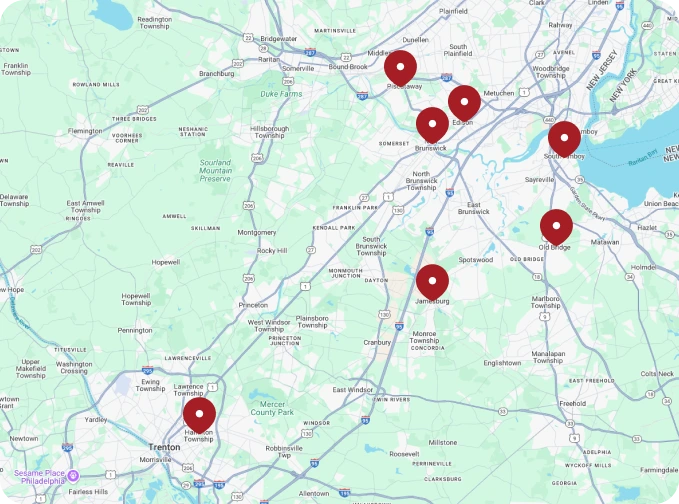


Replacing a failing furnace is one of the most important home investments for comfort, safety, and long-term energy savings in Old Bridge, NJ. With cold, damp winters and a humid transition season, older or undersized systems struggle to keep indoor temperatures steady and can drive up utility bills. This page explains when replacement is recommended over repair, how a professional evaluation works, high-efficiency replacement options, the removal and installation workflow, expected costs and incentives, warranty considerations, and maintenance tips to maximize longevity.
.jpg)
Furnace Replacement In Old Bridge, NJ
Choosing replacement instead of repair becomes the smarter decision when one or more of these conditions apply:
- Age of unit: Furnaces older than 15 years are often past peak efficiency and more prone to major failures.
- Frequent breakdowns: Multiple repairs in a short period signal declining reliability and rising lifetime cost.
- High repair cost relative to value: If a single repair is more than 30-50% of the unit’s replacement cost, replacement is typically more economical.
- Poor efficiency and high bills: Older furnaces with low AFUE ratings (annual fuel utilization efficiency) can be significantly more expensive to operate in Old Bridge’s heating season.
- Safety concerns: Cracked heat exchangers, persistent carbon monoxide traces, or unsafe venting require immediate replacement.
- Comfort issues: Uneven heating, short cycling, or inability to maintain set temperatures often indicate an improperly sized or failing furnace.
Evaluation Process: What a Proper Assessment Includes
A thorough pre-replacement evaluation reduces surprises and ensures the new system fits your home’s needs:
- Visual and operational inspection: Check the current furnace, combustion chamber, venting, gas or fuel lines, and thermostat.
- Combustion analysis and carbon monoxide test: Verify safe combustion and proper venting; detect CO leaks.
- Heat load calculation (Manual J): Accurate sizing based on house square footage, insulation, windows, orientation, and local climate to avoid oversized or undersized units.
- Ductwork inspection (Manual D): Evaluate leaks, insulation, and airflow; determine whether sealing or resizing is needed.
- Electrical and gas line review: Confirm electrical capacity, breaker sizing, and gas pressure.
- Recommendation report: Present right-sized system options, energy-saving features, expected operating costs, and required modifications or permits.
High-Efficiency Replacement Options
For Old Bridge homes looking to reduce heating costs and improve comfort, consider these high-efficiency options and features:
- High-AFUE gas furnaces (95%+): Condensing furnaces capture latent heat from flue gases and substantially lower fuel use in cold months.
- Modulating or two-stage furnaces: Deliver more consistent temperatures and reduce short cycling by matching output to demand.
- Variable-speed ECM blowers: Improve comfort, reduce noise, and enhance air filtration by running at lower speeds for longer periods.
- ENERGY STAR-certified models: Meet stricter efficiency and performance criteria.
- Smart thermostats and zoning: Optimize scheduling and temperature control for energy savings and increased comfort in multi-zone homes.
- Dual-fuel or hybrid systems: Pairing a heat pump with a gas furnace can be efficient for varied New Jersey winters—heat pump handles mild days, furnace handles extreme cold.
Removal and Installation Workflow
A clear, code-compliant installation protects safety and performance:
- Permit and scheduling: Secure local permits required by Middlesex County/Old Bridge municipal codes.
- System shutoff and safe removal: Disconnect gas, electrical, and fuel lines; remove old unit and dispose of per hazardous materials rules if needed.
- Flue and venting updates: Install appropriate PVC or metal venting for condensing furnaces; ensure proper combustion air.
- Ductwork sealing and modifications: Repair leaks, add insulation, or reconfigure duct sizing for balanced airflow.
- Mounting and connections: Set new furnace, connect fuel, exhaust, condensate drains, electrical, and thermostat wiring.
- Commissioning and testing: Perform combustion analysis, airflow verification, thermostat calibration, and safety checks.
- Owner orientation: Review operation, filter access, and maintenance schedule.
Expected Costs, Rebates, and Financing Options
Costs vary based on equipment efficiency, home size, installation complexity, and required duct or vent work. Typical replacement ranges for Old Bridge, NJ:
- Standard-efficiency furnace replacement: Generally lower-cost option; often in the lower thousands.
- High-efficiency condensing furnace (95%+ AFUE): Mid-to-higher range due to advanced components and venting needs.
- Advanced systems (modulating, variable-speed, or hybrid): Premium pricing reflects improved comfort and energy savings.
Factors that affect total cost: furnace size (BTU), labor complexity, necessary duct upgrades, permit fees, and condensate/venting modifications.
Incentives and financing possibilities often available in New Jersey:
- State and utility rebates: Programs such as the New Jersey Clean Energy Program and local utility incentives sometimes offer rebates for qualifying high-efficiency installations.
- Federal tax credits: Periodic federal incentives for energy-efficient HVAC equipment may be available; check current eligibility.
- Financing options: Many homeowners use HVAC financing plans, energy-efficiency loans, or utility on-bill programs. Terms vary by lender and program.
Warranty Details
Understand warranty coverage for peace of mind:
- Manufacturer limited warranties: Typically cover parts for a specified number of years; major components like heat exchangers may have longer coverage.
- Labor warranties: Provided by installers and vary widely in length; consider registered installations that may extend coverage.
- Registration and maintenance requirements: Many warranties require product registration and annual professional maintenance to remain valid.
Always confirm warranty durations for parts and labor before purchase and retain documentation.
Maintenance to Maximize Longevity
Routine maintenance preserves efficiency and reduces repair risks:
- Replace or clean filters every 1–3 months during heating season.
- Schedule annual professional tune-ups before winter: combustion test, blower cleaning, thermostat calibration, and safety inspection.
- Keep intake and exhaust vents clear of debris and snow.
- Seal and insulate ducts in unconditioned spaces.
- Monitor for unusual noises, odors, or cycling—address issues early to avoid bigger repairs.
Why Replacement Makes Sense in Old Bridge, NJ
A properly sized, high-efficiency furnace delivers reliable comfort through Old Bridge’s cold, humid winters, reduces fuel costs, and improves indoor air quality. Upgrading to modern systems with better controls and variable-speed components smooths temperature swings, lowers noise, and can qualify you for rebates or tax incentives—making replacement a sound long-term decision when evaluated against ongoing repair costs and comfort needs.